In the whirlwind of parenting, ensuring the safety of your little ones is a top priority. From curious toddlers to adventurous pre-teens, creating a child-friendly home involves more than just baby-proofing cabinets and installing stair gates. Home security is a vital aspect of safeguarding your family. In this article, we will explore child-friendly home security measures that every parent should consider.
1. Smart Security Systems
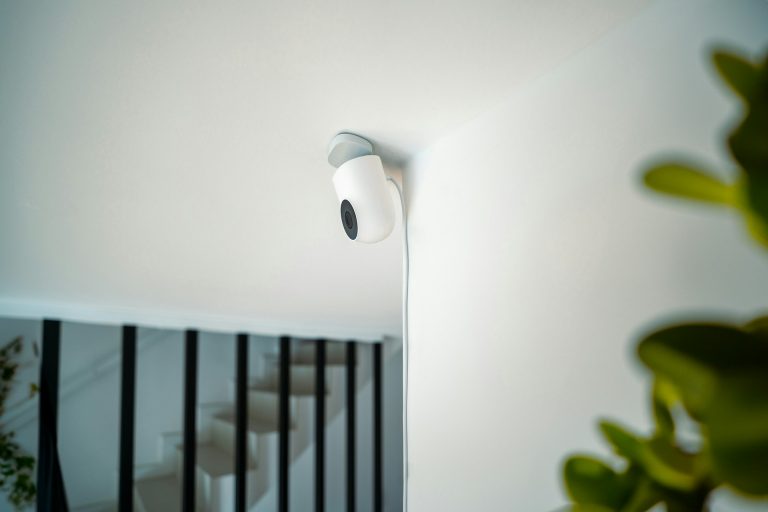
Investing in a smart security system is like having an extra set of eyes on your home. Modern systems offer features like video monitoring, motion detection, and remote access via smartphones. Opt for systems with child-friendly interfaces, ensuring that even the youngest family members can understand and use them in case of an emergency. Some systems also come with childproof sensors, minimizing false alarms triggered by playful children.
2. Childproof Locks and Alarms
Childproofing extends beyond cabinets and drawers. Consider installing childproof locks and alarms on windows and doors. These devices are designed to prevent little ones from accidentally wandering into unsafe areas or leaving the house unnoticed. Alarms can be programmed to alert you when a door or window is opened, providing an extra layer of security.

Child Safety Strap Locks (10 Pack) Baby Locks for Cabinets and Drawers
3. Outdoor Safety Measures
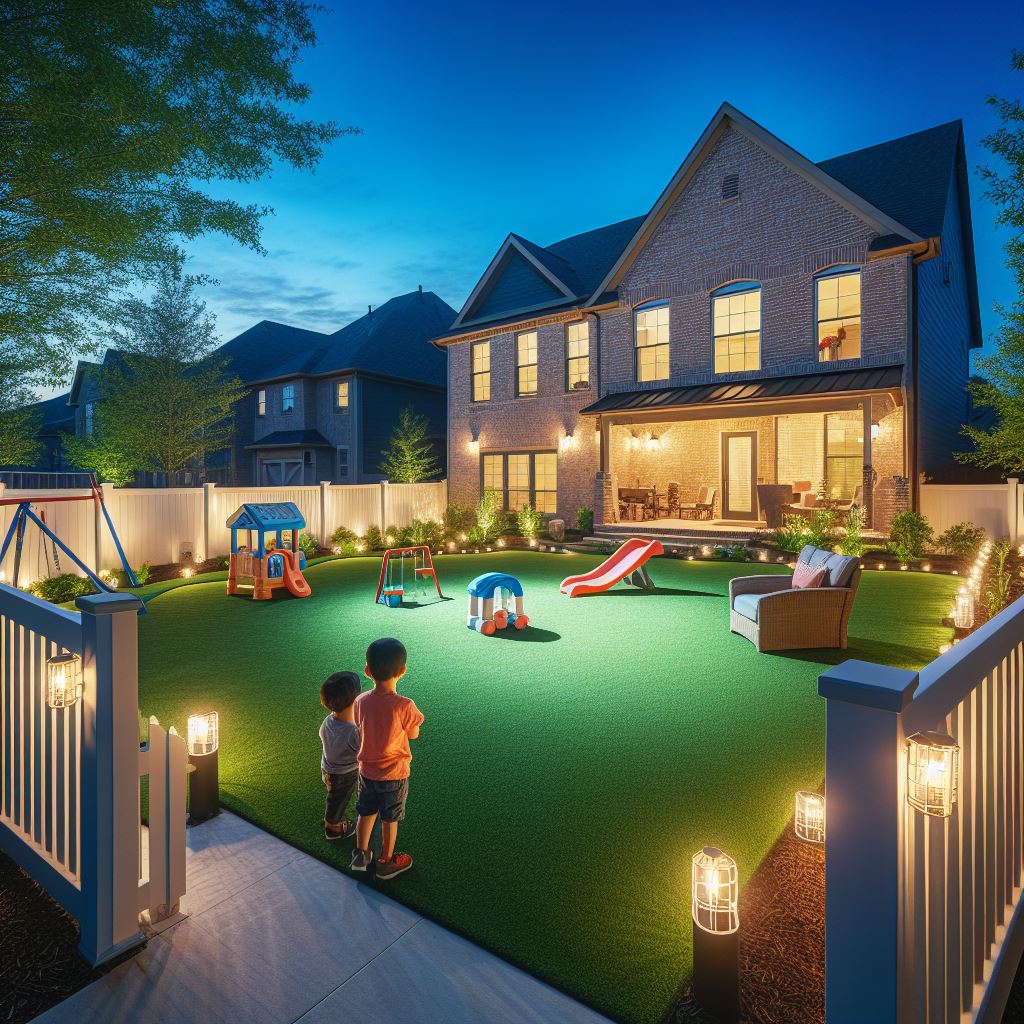
Securing the perimeter of your home is as crucial as fortifying the interior. Ensure that your backyard is a safe haven by installing child-friendly fencing. Opt for fences with no sharp edges, and make sure the gaps between bars are too narrow for small hands to slip through. Additionally, consider adding motion-activated lights to deter unwanted visitors and illuminate pathways for your family during nighttime.
4. Emergency Communication Devices
Teach your children the importance of communication during emergencies. Consider installing intercom systems or walkie-talkies in different areas of the house, allowing family members to quickly communicate in case of an emergency. This not only enhances security but also empowers children to reach out for help if needed.
5. Secure Furniture and Electronics
Children are naturally curious and can be prone to climbing on furniture. Secure heavy furniture, such as bookshelves and dressers, to the walls to prevent tipping. Use straps or anchors designed for this purpose. Additionally, secure electronic devices like televisions to prevent accidental tipping or pulling of cords.
6. Home Automation for Safety
Embrace home automation to enhance safety. Smart doorbells with cameras and intercom systems allow you to see and communicate with visitors without opening the door. Smart lighting systems can be programmed to simulate your presence at home even when you’re away, deterring potential intruders.
7. Fire Safety Measures
Every child-friendly home should have robust fire safety measures in place. Install smoke detectors in key areas of the house, and regularly check and replace batteries. Teach children about the importance of fire safety, including escape routes and the proper use of fire extinguishers.
Smoke detectors are also incredibly important, especially when kids are in the home. Here are some quick facts to help you understand he importance of fire safety in a home:
- 20,000 Fires Annually: Imagine the flicker of flames ignited by little hands—over 20,000 fires each year. That’s nearly 400 fires per week! Innocence meets danger, and the consequences ripple through our homes.
- 150 Lives Lost, 1,000 Injuries: These fires, sparked by playful curiosity, carry a heavy toll. They claim an average of 150 lives annually and leave nearly 1,000 injured. Childhood innocence, tragically scorched.
- Hidden Havens: Where do these fire-starters strike? In the quiet corners—the bedrooms, closets—where secrets and mischief intertwine. Clothing, mattresses, and bedding become unwitting accomplices, catching fire with ease.
Conclusion
Remember, creating a child-friendly home isn’t just about physical safety. It’s about fostering a sense of security, love, and warmth. So, go ahead—build that nurturing environment where your children can thrive, all while feeling safe and secure.