
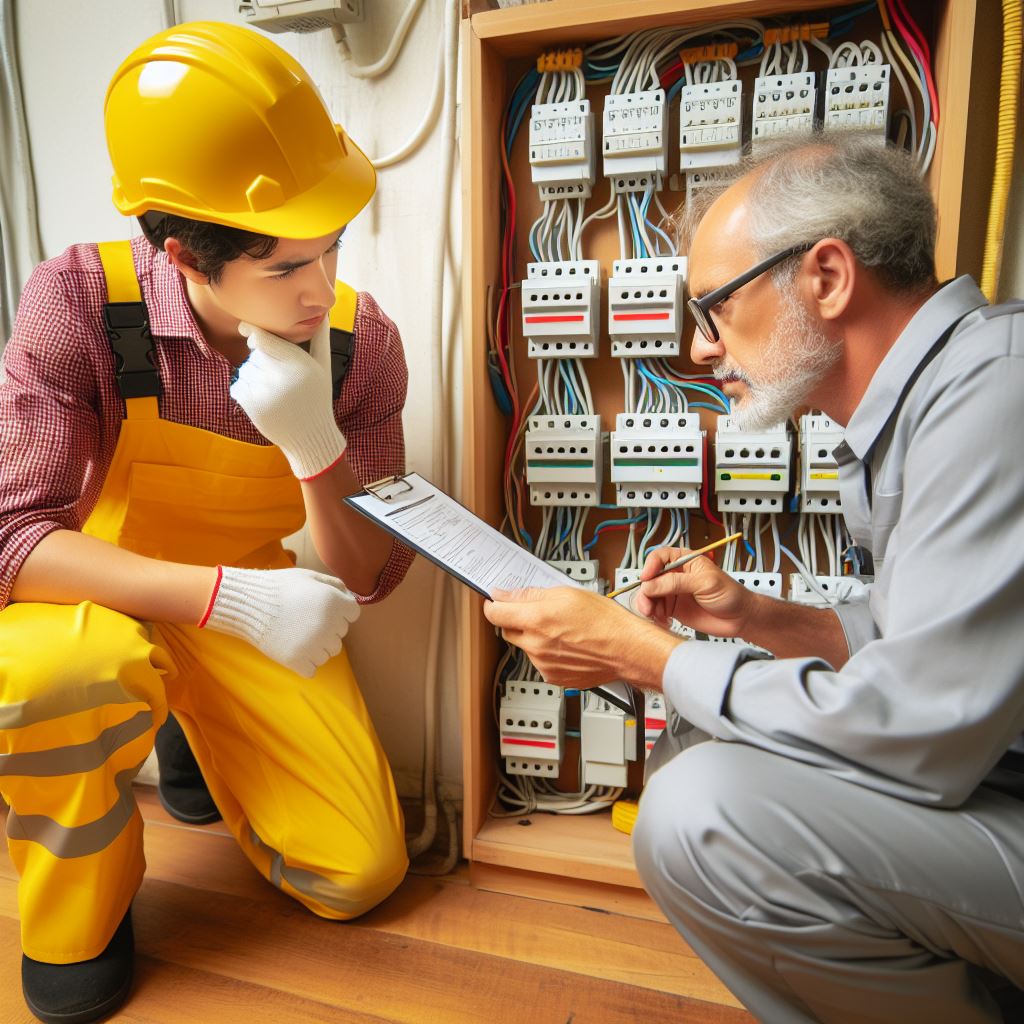
In the heart of our modern homes, electricity powers our daily lives, bringing convenience and comfort. However, with this convenience comes the potential for electrical fires, a silent threat that can wreak havoc if left unchecked. Understanding the risks and implementing preventive measures is paramount to ensuring the safety of your home and loved ones.
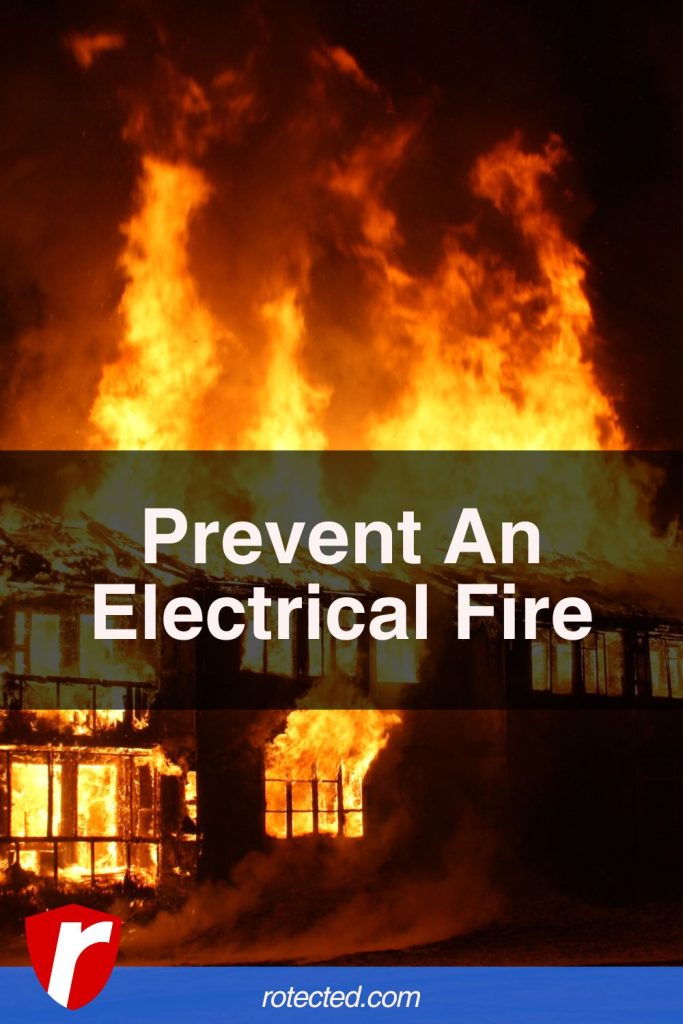
How common are electrical fires? Well, a National Fire Protection Association report tells us that firefighters respond to nearly 47,000 electrical fires every year. That’s a lot of smoke!
Identifying Common Risks
Electrical fires often result from preventable issues that, when overlooked, can lead to catastrophic consequences. Identifying these common risks is the first step toward securing your home:
- Faulty Wiring: Outdated or frayed wiring is a leading cause of electrical fires. Regularly inspect the wiring in your home, paying attention to any signs of wear, damage, or outdated components.
- Overloaded Circuits: Overloading circuits by connecting too many devices to a single outlet is a recipe for disaster. Distribute electrical load evenly across outlets to avoid overheating.
- Appliance Malfunctions: Aging or malfunctioning appliances can become fire hazards. Regularly check and maintain appliances, especially those with heating elements.
- Damaged Outlets and Switches: Cracked or damaged outlets and switches pose a risk of sparking. Replace or repair them promptly to prevent electrical fires.
- Exposed Wiring: Exposed wiring, whether due to poor installation or wear over time, increases the risk of electrical fires. Conceal and protect wiring to minimize hazards.
Preventive Measures
Preventing electrical fires requires a proactive approach and consistent diligence. Here are key measures to safeguard your home:
- Regular Inspections: Conduct routine inspections of your electrical system, including wiring, outlets, and switches. Look for any signs of damage, wear, or unusual smells.
- Professional Assessment: Engage a qualified electrician for a comprehensive assessment of your home’s electrical infrastructure. They can identify potential risks and suggest necessary upgrades or repairs.
- Load Management: Practice responsible load management by avoiding the overuse of outlets and power strips. Consider installing additional circuits if needed, especially in areas with high electrical demand.
- Appliance Maintenance: Regularly service and maintain appliances. Replace or repair any malfunctioning devices promptly to eliminate potential fire hazards.
- GFCI Outlets: Install Ground Fault Circuit Interrupter (GFCI) outlets in areas prone to moisture, such as kitchens and bathrooms. GFCIs can prevent electrical shocks and reduce the risk of fires.
- Upgraded Wiring: If your home has outdated wiring, consider upgrading to modern, safer alternatives. This investment not only enhances safety but also improves the overall efficiency of your electrical system.
Conclusion
In the dance of electrons powering our homes, the risk of an electrical fire looms as a silent threat. However, identifying common risks and adopting preventive measures can significantly reduce the likelihood of such incidents.
It’s not just about protecting property; it’s about ensuring the safety and well-being of those you hold dear. Most residential fires are caused by “cooking” and grease fires are no joke, so make sure you get a proper fire extinguisher!