
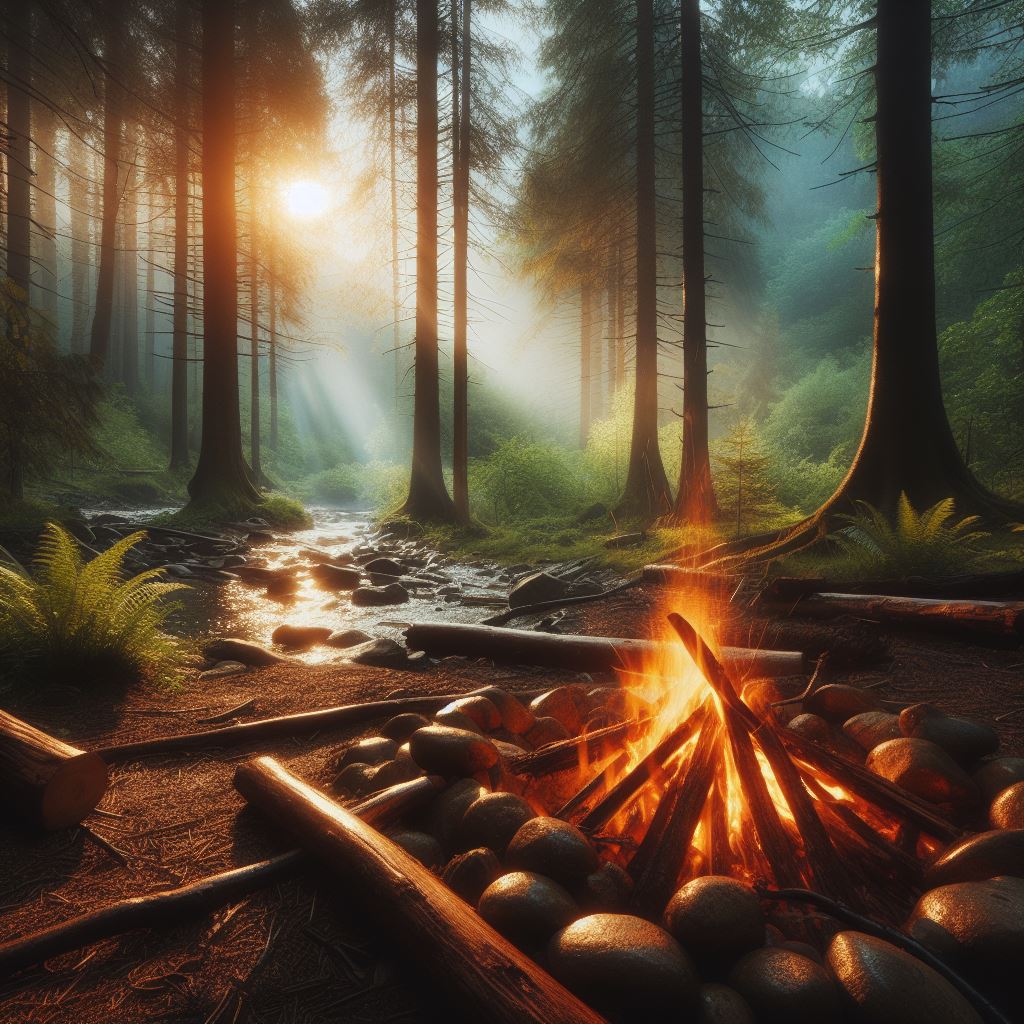
Fire, an age-old tool and companion to humanity, holds a primal significance in our quest for survival. Beyond its ability to provide warmth and cook food, mastering the art of fire-making is a crucial skill for anyone venturing into the great outdoors.
In this ultimate survival skill guide, we’ll delve into the fundamentals of fire-making, exploring techniques, essential tools, and the psychological aspects of this invaluable skill.
The Importance of Fire in Survival
Fire serves as a multifaceted survival tool. Beyond its basic functions, fire provides a sense of security, wards off predators, and signals for rescue. In cold environments, it’s a lifeline, preventing hypothermia and ensuring a good night’s sleep. The ability to master fire contributes significantly to self-reliance in the wild.
4 Types of Fire-Making Techniques
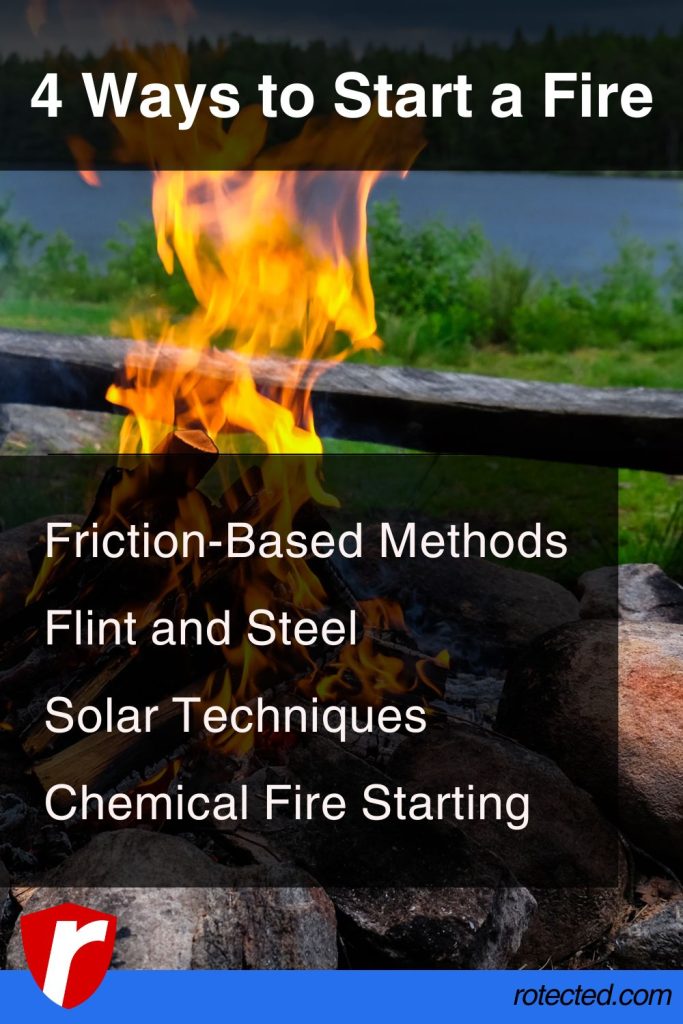
- Friction-Based Methods:
- Bow Drill: Learn the art of using a bow, spindle, and hearth board to create friction and generate a spark.
- Fire Plough: Utilize a dry, seasoned piece of wood to create enough friction to ignite a tinder bundle.
- Flint and Steel:
- Traditional Flint and Steel: Master the technique of striking flint against steel to create a spark that ignites char cloth or tinder.
- Solar Techniques:
- Magnifying Glass: Utilize sunlight to focus on a small point, generating enough heat to ignite dry tinder.
- Chemical Fire Starting:
- Commercial Fire Starters: Explore various commercial fire-starting products that are compact, lightweight, and reliable.
- Homemade Fire Starters: Learn to create DIY fire starters using materials like cotton balls soaked in wax.

Start a Fire Easier…
Natural Tumbleweeds Fire Starters
Essential Tools for Fire-Making
- Fire Starters:
- Waterproof Matches: Carry waterproof matches to ensure ignition even in damp conditions.
- Lighters: Invest in quality lighters with wind-resistant flames for easier fire starting.
- Tinder Materials:
- Dry Leaves and Grass: Collect dry, fine materials as tinder to catch the initial spark.
- Cotton Balls: Soak cotton balls in petroleum jelly for an excellent, long-lasting tinder option.
- Firewood Preparation:
- Kindling: Gather small sticks and twigs to serve as kindling for building up the fire.
- Fuelwood: Collect larger, dry logs to sustain the fire once it’s established.
Psychological Aspects of Fire-Making
- Calm and Patience:
- Focused Mindset: Keep a calm and focused mindset while working on fire-making techniques.
- Patience: Understand that fire-making requires practice; don’t get discouraged by initial failures.
- Safety Measures:
- Clear Surroundings: Ensure the area around your fire site is clear of flammable materials.
- Fire Containment: Use rocks or a fire ring to contain the fire and prevent it from spreading.
- Adaptability:
- Terrain Consideration: Adapt your fire-making techniques to the specific environment and available resources.
Conclusion
Mastering the skill of fire-making is not just about survival; it’s about connecting with an ancient art that has been central to human existence.
Whether you’re a seasoned outdoor enthusiast or a beginner camper, understanding the intricacies of fire-making enhances your self-reliance and ensures a more secure and comfortable experience in the wild. So, embrace the flames, learn the techniques, and master the ultimate survival skill that has stood the test of time.