
Living in a rented space presents a unique set of challenges when it comes to securing your sanctuary. Unlike homeowners, renters often encounter limitations imposed by lease agreements or property structures, making the quest for a secure haven an intricate puzzle to solve. However, this shouldn’t deter you; instead, it fuels the necessity for inventive and adaptable security solutions that cater specifically to renters.
As a renter, your safety is paramount, and navigating through the complexities of safeguarding your dwelling demands tailored strategies. This article delves into the realm of renter-specific home security, offering insights, solutions, and approaches that accommodate the constraints and empower you with practical, tenant-friendly safety measures. Because in the end, your peace of mind shouldn’t be compromised by temporary residence.
Assessing Your Rental Property
Every rental space has its own intricacies, and understanding these nuances is key to fortifying your safety fortress. Analyzing the layout reveals potential security vulnerabilities, such as blind spots, poorly lit areas, or easily accessible entry points. From the front door to overlooked windows or secluded corners, each aspect plays a role in your home’s overall security posture.
Identifying Entry Points and Vulnerable Areas
Pinpointing the weak spots in your rental property involves a meticulous inspection of entryways and potential breach zones. Assess the condition of locks, hinges, and the integrity of doors and windows. Identifying vulnerable areas aids in strategizing reinforcements or security enhancements to fortify these potential points of entry against intrusion.
Communication with the Landlord
Effective communication with your landlord or property manager is pivotal. It’s not merely a courtesy but an opportunity to address security concerns collaboratively. Highlighting specific issues or discussing potential improvements can lead to mutually beneficial solutions, fostering a safer living environment while adhering to lease agreements and property regulations.

Tenant-Friendly Security Measures
Non-Permanent Solutions
Navigating home security in rental spaces often necessitates solutions that don’t leave a lasting mark. Explore the realm of non-permanent options—removable door jammers, portable door alarms, or temporary window locks—that bolster security without causing damage or violating lease agreements. These adaptable solutions offer a shield of protection while maintaining the property’s integrity.
Enhanced Entry Point Protection
Elevating entry point security forms a core aspect of safeguarding your rental. Consider smart locks offering keyless access, door reinforcements like strike plates or security bars, and window security films or locks. These tenant-friendly upgrades not only fortify entryways but also provide added peace of mind without compromising the property’s structure.
Security Cameras and Smart Home Devices
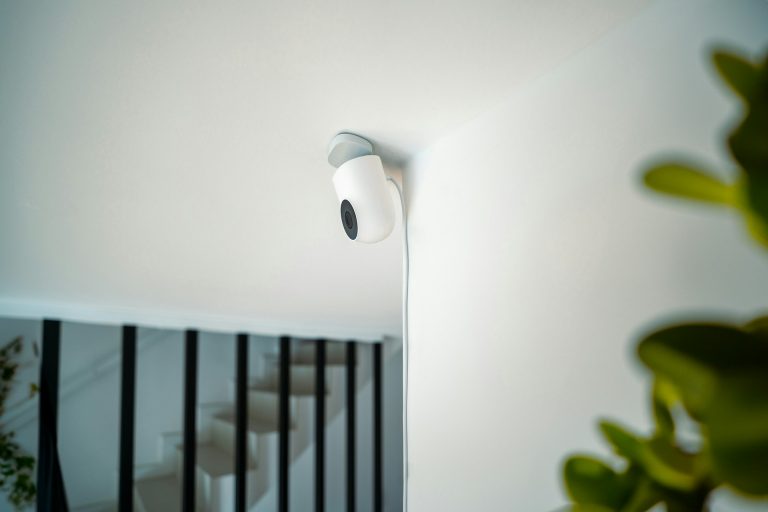
Embrace technology catered to rental living. Opt for wireless security cameras with easy installation or smart home devices compatible with temporary living setups. From motion-activated lights to smart doorbells, these devices offer surveillance and remote monitoring, enhancing security while being adaptable to changing living situations.
The video above goes over the best home security for renters, and even though it’s from 2021, not much has changed. There are more affordable options on the market now, and you can browse Amazon to find good home security cameras for your home.
DIY Security Upgrades
Budget-Friendly Enhancements
DIY security upgrades need not break the bank. Explore cost-effective measures like installing additional lighting in poorly lit areas, reinforcing door and window locks with simple hardware modifications, or using security signage as a deterrent. These pocket-friendly upgrades significantly bolster security without denting your finances.
Improving Visibility and Neighborhood Watch
Enhancing visibility around your rental property is an effective strategy. Trim overgrown bushes or foliage that could obscure views, encouraging natural surveillance. Engage with neighbors to foster a collective watch, creating a unified front against potential threats through mutual awareness and communication.
Creative Deterrence Within Lease Terms
Stay within the confines of lease agreements while deterring potential intruders creatively. Consider decoy security measures like faux security cameras or installing visible, yet non-functional, alarm systems. These strategic elements create an impression of security without violating lease clauses, serving as psychological deterrents.
Communication with Landlords
Discussing Security Concerns
Initiating a conversation about security concerns demands a tactful approach. Present detailed observations and potential solutions to landlords or property managers, emphasizing the mutual benefits of heightened security. Open dialogue ensures clarity and fosters a collaborative effort towards a safer living environment.
Negotiating Security Upgrades
Negotiating security upgrades or permissions requires a strategic discussion. Highlight the benefits of proposed enhancements, assuring landlords of non-invasive solutions that adhere to property guidelines. Offer to cover costs or provide assurance of reverting changes upon lease completion, aiming for a win-win situation.
Documenting Agreements
Documenting agreements or modifications is crucial for clarity and accountability. Record all discussions, permissions granted, or alterations agreed upon in writing. This formalizes the arrangements, ensuring mutual understanding and serving as a reference for both parties in the future.
Emergency Preparedness
Preparing for emergencies is pivotal. Develop a clear emergency plan outlining steps to take in case of break-ins or other security breaches. Establish escape routes, designate safe zones, and compile emergency contact information, ensuring readiness in stressful situations.
Steps During Security Breaches
In the unfortunate event of a security breach, knowing the right steps to follow is essential. Maintain a list of emergency contacts, including local law enforcement and property management. Document incidents promptly, maintaining a calm demeanor while securing personal safety and property.
Engaging with Community
Engagement within your neighborhood or community amplifies safety measures. Foster relationships with neighbors, establishing a network of mutual support and vigilance. Through community watch initiatives or shared communication platforms, reinforce a collective commitment to safety.
Staying Informed and Updated
Staying informed about local crime trends and resources is pivotal for proactive security measures. Monitor neighborhood crime data, leverage community resources like crime prevention programs or local security initiatives, and stay updated on safety resources available within your locality.
Maintenance of Security Measures
Regular maintenance ensures the efficacy of security measures and technology. Conduct routine checks on installed security devices, lighting, and locks. Address any issues promptly to uphold the integrity of the security enhancements.
Periodic Security Reassessment
Reassessing security needs periodically is crucial. Lifestyle changes or evolving threats may necessitate adjustments. Periodically review and reassess the effectiveness of current security measures, adapting and upgrading as needed to maintain optimal protection.