
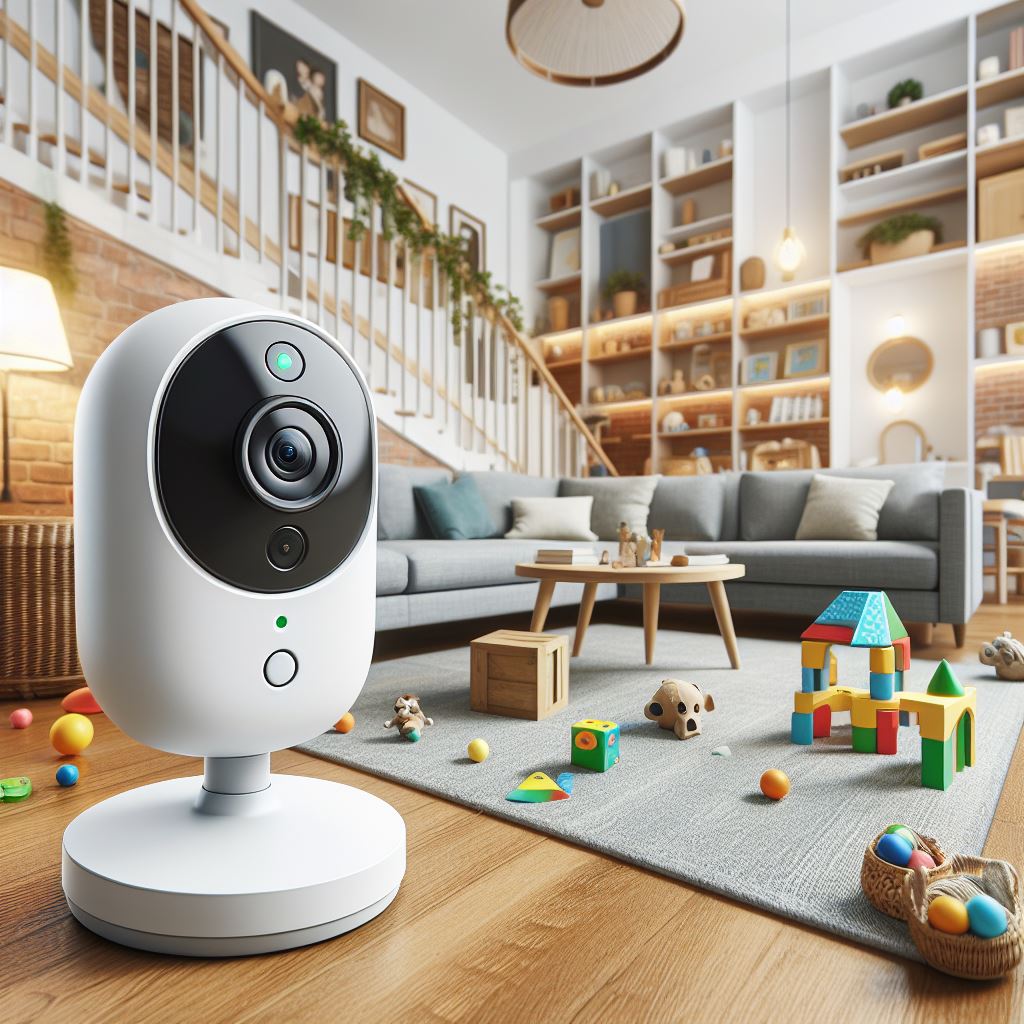
Imagine you’re at work, far from home, and you’re worried about your kids’ safety. It’s tough to do your job and make sure your little ones are safe. That’s where nanny cams come in! They’re like a helper for parents. These little cameras aren’t just for watching; they help parents feel better. They let you see what your kids are doing every day, even if you’re not there with them.
Nanny cams provide that virtual ‘parent’s eye’—a way to remotely oversee your child’s well-being and the interactions within your home. However, their usage isn’t without considerations. Beyond enhancing child safety, they spark discussions on trust, privacy, and the ethical nuances of home surveillance.
Enhancing Child Safety
Nanny cams play a crucial role in enhancing child safety by allowing parents to keep an eye on their children’s activities, interactions with caregivers, and their overall well-being while they’re not physically present.
Remote Monitoring and Peace of Mind
With advanced technology, nanny cams offer live streaming or recorded footage accessible via smartphones or computers. This remote access provides parents with real-time updates on their children’s activities, ensuring peace of mind even when they’re away from home.
A lot of people use nanny cams for home monitoring while they’re away, even if they have no children at home.
Monitoring Caregivers and Home Environment
Nanny cams help in monitoring caregivers, babysitters, or nannies entrusted with children’s care. They allow parents to ensure that the caregivers follow instructions, provide proper care, and maintain a safe environment for their children.
Addressing Privacy and Trust Concerns
While nanny cams offer a sense of security, their use raises ethical concerns about privacy and trust. It’s essential to communicate openly with caregivers about the presence of cameras to maintain trust and respect their privacy within reasonable limits.
Legal Implications and Regulations
Before installing nanny cams, it’s crucial to be aware of legal implications and regulations regarding surveillance in private spaces. Familiarize yourself with state or local laws governing the use of surveillance cameras within homes.
Ethical Considerations and Transparency
Transparency is key when using nanny cams. Discuss their presence with caregivers, establish clear guidelines, and ensure that their usage aligns with ethical considerations and respects the privacy of all individuals involved.
Choosing the Right Nanny Cam
When selecting a nanny cam, consider factors like video quality, recording options, remote accessibility, privacy features, and compatibility with your home network. Opt for a camera that meets your specific monitoring needs while respecting privacy.
FAQ
In most places, using nanny cams in your home is legal as long as they’re in areas where there’s no expectation of privacy, like living rooms or playrooms. However, it’s crucial to check your local laws regarding audio recording, as some states require consent for audio monitoring.
Start by having an open conversation about home security. Explain that you’ve installed cameras for safety reasons, ensuring everyone’s well-being. Reassure them it’s not about mistrust but about maintaining a safe environment for everyone.
Many nanny cams offer remote access through smartphone apps or web portals, allowing you to view live footage or recordings from anywhere with an internet connection.
Consider factors like video quality, motion detection, night vision, two-way audio, remote access, and storage options. Opt for a camera that fits your needs for monitoring your child and home.
Place cameras only in common areas where there’s no expectation of privacy, like living rooms or play areas. Avoid placing them in bathrooms or bedrooms. Communicate openly about their placement with caregivers.
While nanny cams are named as such, they’re used for various reasons, like monitoring pets, home security, or keeping an eye on children when parents are away.
Address the concern calmly. Communicate with the caregiver about what you observed, seeking clarification or discussing any issues respectfully. If necessary, consider discussing it further or finding a resolution together.
Secure your Wi-Fi network with a strong password and use encrypted connections for camera access. Regularly update camera firmware and choose reputable brands known for their security measures.
Conclusion
Nanny cams can be valuable tools for parents to ensure child safety and security at home. However, their usage should be approached with sensitivity, transparency, and ethical considerations. Open communication, respect for privacy, and adherence to legal regulations are vital aspects when utilizing nanny cams to monitor children and caregivers in a home environment. Ultimately, the goal is to ensure the safety and well-being of children while maintaining trust and respecting privacy boundaries.


