As the sun sets and the city transforms into a landscape adorned with shimmering lights, navigating urban environments during late hours requires a heightened awareness of safety measures. The following night safety tips are meant to inform you on the best practices and advice for staying safe.
The allure of the city after dark is undeniable, offering vibrant experiences, diverse cultures, and a unique ambiance. However, with the cloak of darkness, the cityscape introduces its own set of challenges, from reduced visibility to potential safety concerns that necessitate vigilance.
The Importance of Night Safety
Nighttime in the city presents scenarios where individuals need to prioritize their safety. Whether commuting home, enjoying nightlife, or simply being out and about, awareness of surroundings and adherence to safety practices become crucial elements in safeguarding oneself against potential risks.
This guide aims to equip urban dwellers with practical night safety tips, strategies, and insights tailored to navigating city life after dark. From tips on safe commuting and being aware of surroundings to understanding potential risks and strategies for personal security, this resource will help individuals make informed choices to stay safe during late hours in the city.
The Importance of Personal Alarms: A Smart Safety Measure
In urban environments, unexpected situations can arise, necessitating swift actions for personal safety. Personal alarms stand as compact yet powerful tools, offering a sense of security and a proactive means of seeking assistance during emergencies.
Why Personal Alarms Matter:
- Immediate Attention Grabber: Personal alarms emit a loud, attention-grabbing sound when activated. This high-decibel alarm not only alerts those in proximity but can also deter potential threats by drawing attention to the situation.
- Ease of Use and Portability: These devices are designed for ease of use, often in the form of keychains or small devices that can be carried discreetly. Their compact size allows for convenient and unobtrusive carrying, ensuring they’re readily accessible in moments of need.
- Swift Call for Help: In situations where an individual feels threatened or in distress, activating a personal alarm can quickly summon help. The loud sound serves as an immediate call for assistance, alerting others to the potential emergency.
- Non-confrontational Safety Measure: Personal alarms provide a non-confrontational means of seeking help. Instead of engaging directly with a potential threat, the alarm allows individuals to attract attention without escalating the situation.

Recommended Personal Alarms
We recommend this 12-pack on Amazon! It’s affordable, and, in addition to that, there is a color for everybody!
Why Carry One:
Having a personal alarm on hand, whether attached to keys, a bag, or clothing, is a proactive safety measure. In scenarios where immediate assistance or attention is required, the alarm provides a rapid means of alerting others to the situation, potentially diffusing a threatening circumstance or aiding in receiving timely help.
In urban environments or during late hours, where unexpected incidents can occur, carrying a personal alarm is a prudent choice. It offers a sense of empowerment and acts as an additional layer of protection, providing reassurance and potentially deterring potential threats.
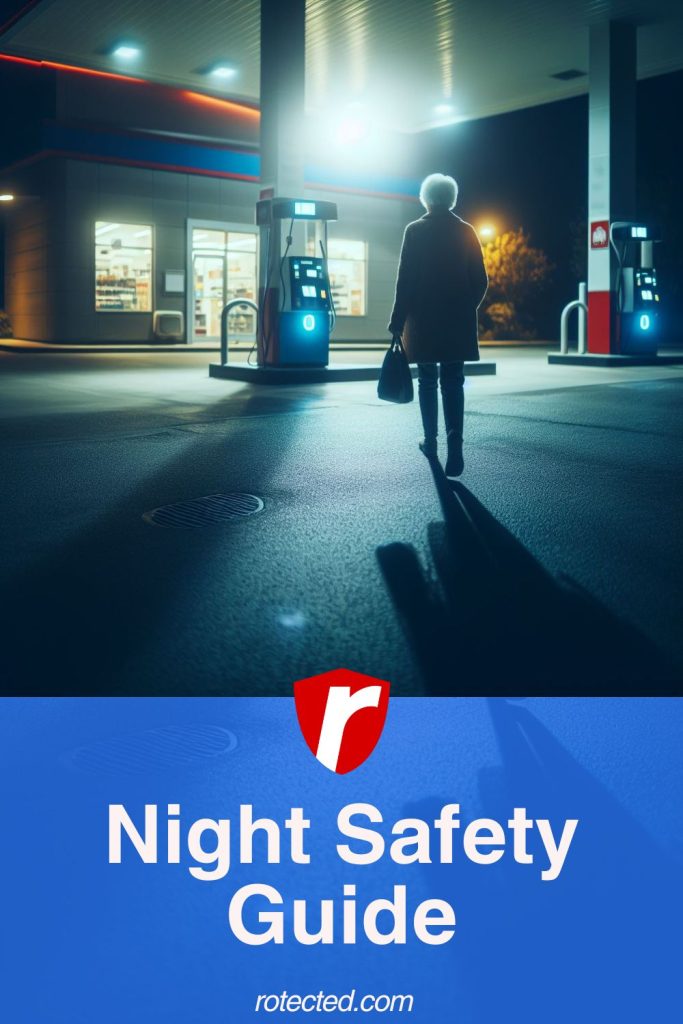
Understanding Nighttime Risks in Urban Areas
Navigating cities after dark presents a unique set of challenges and potential risks that demand heightened awareness and preparedness. Let’s delve into the specific considerations that individuals should be mindful of when traversing urban landscapes during late hours:
Reduced Visibility and Lighting: Urban areas, while vibrant during the day, transform into dimly lit environments at night. Poorly lit streets, alleys, and public spaces reduce visibility, making it challenging to assess surroundings and potentially increasing the risk of accidents or encounters with potential threats.
Potential Safety Concerns: Nighttime in the city can witness an uptick in various safety concerns. Instances of theft, vandalism, harassment, and other criminal activities might rise after dusk. Understanding these potential threats and adopting preventive measures becomes crucial for personal safety.
Navigating Public Transportation: Using public transportation at night introduces its own safety considerations. Empty or sparsely populated stations, longer waiting times, and deserted stops can pose safety risks, emphasizing the need for caution when commuting during late hours.
Nightlife and Social Settings: While the city’s nightlife offers excitement and entertainment, it also brings forth safety challenges. Crowded venues, alcohol consumption, and unfamiliar environments can elevate vulnerability, requiring individuals to be vigilant and proactive in ensuring their safety.
Identifying Safe and Unsafe Areas: Recognizing safe versus potentially unsafe areas is vital for personal safety. Understanding cues such as well-lit streets, active surroundings, and populated areas versus poorly lit, deserted locales aids in making informed decisions while navigating the city at night.
Acknowledging these nighttime risks inherent in urban environments can help individuals better prepare themselves to handle threats. It’s all about proactive safety measures, and preventing a problem before it ever occurs. In addition, we still want to make sure you understand how to handle problems once it’s too late to prevent one.
Essential Night Safety Practices and Tips
Navigating urban landscapes after sunset demands vigilance and adherence to essential safety practices to ensure personal safety. Here are actionable tips and practices designed to enhance safety during late hours in the city:
1. Stay in Well-Lit Areas: Stick to well-lit, populated areas when walking or commuting at night. Well-illuminated streets, busy sidewalks, and populated areas reduce the risk of potential threats and offer a sense of security.
2. Be Aware of Surroundings: Maintain awareness of your surroundings. Avoid distractions like smartphones or headphones and stay alert to detect any unusual activities or individuals around you.
3. Use Reliable Transportation: Opt for reputable modes of transportation, such as licensed taxis, ridesharing services, or public transportation. Avoid accepting rides from strangers and ensure the vehicle matches the ride details on your app.
4. Share Itinerary and Stay Connected: Inform a trusted friend or family member of your whereabouts and expected arrival time. Use safety features on smartphones or dedicated safety apps that allow quick access to emergency contacts. There are many smart devices that can help keep you safe, but common sense goes a long way.
5. Travel in Groups: Whenever possible, travel with friends or in groups, especially in unfamiliar areas. There’s strength in numbers, and moving in a group enhances safety while navigating the city after dark.
6. Trust Intuition and Avoid Isolated Areas: Listen to your instincts. If an area feels unsafe or isolated, trust your intuition and opt for well-populated, well-lit paths or locations.
Adopting these essential night safety practices empowers individuals to proactively ensure their safety while embracing the charm and activities the city offers after dark. By staying alert, making informed choices, and prioritizing personal safety, urban dwellers can navigate late hours in the city with greater confidence and security.