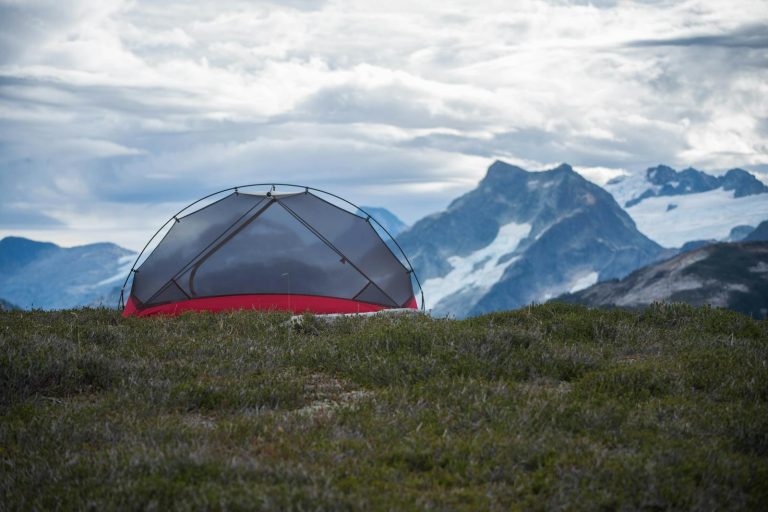
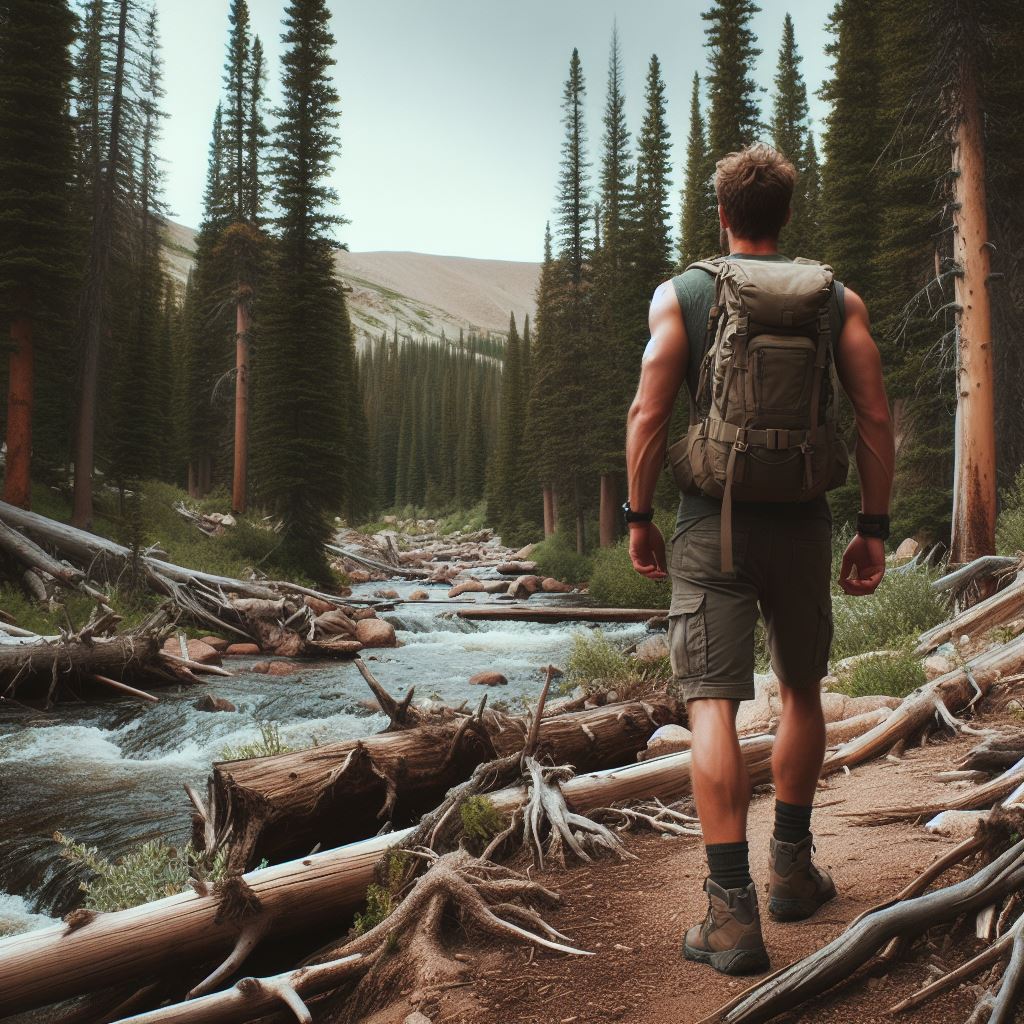
Hiking, a rewarding outdoor activity, necessitates safety measures to ensure an enjoyable experience. Safety awareness not only protects you but also fosters a deeper connection with nature.
Solo hiking offers unique opportunities for self-discovery and solitude. It allows personal exploration and independence. However, it also presents challenges in terms of safety, decision-making, and potential risks that require careful consideration.

Pre-Planning and Preparation
Before embarking on a solo hike, research the trail comprehensively. Acquire knowledge about its difficulty level, terrain, weather patterns, wildlife, and any other potential hazards.
Inform a trusted friend or family member about your hiking plans, including the chosen trail, starting time, expected return time, and any alternatives or emergency plans. This step is crucial for safety, enabling timely assistance if needed.
Prepare a backpack with essential gear, such as navigation tools, adequate water and food, a first aid kit, appropriate clothing, emergency shelter, a multi-tool, and a map or GPS device. These supplies are vital for self-sufficiency and safety during the hike. This is the perfect time to take advantage of an efficient tactical watch!
Trail Safety Measures
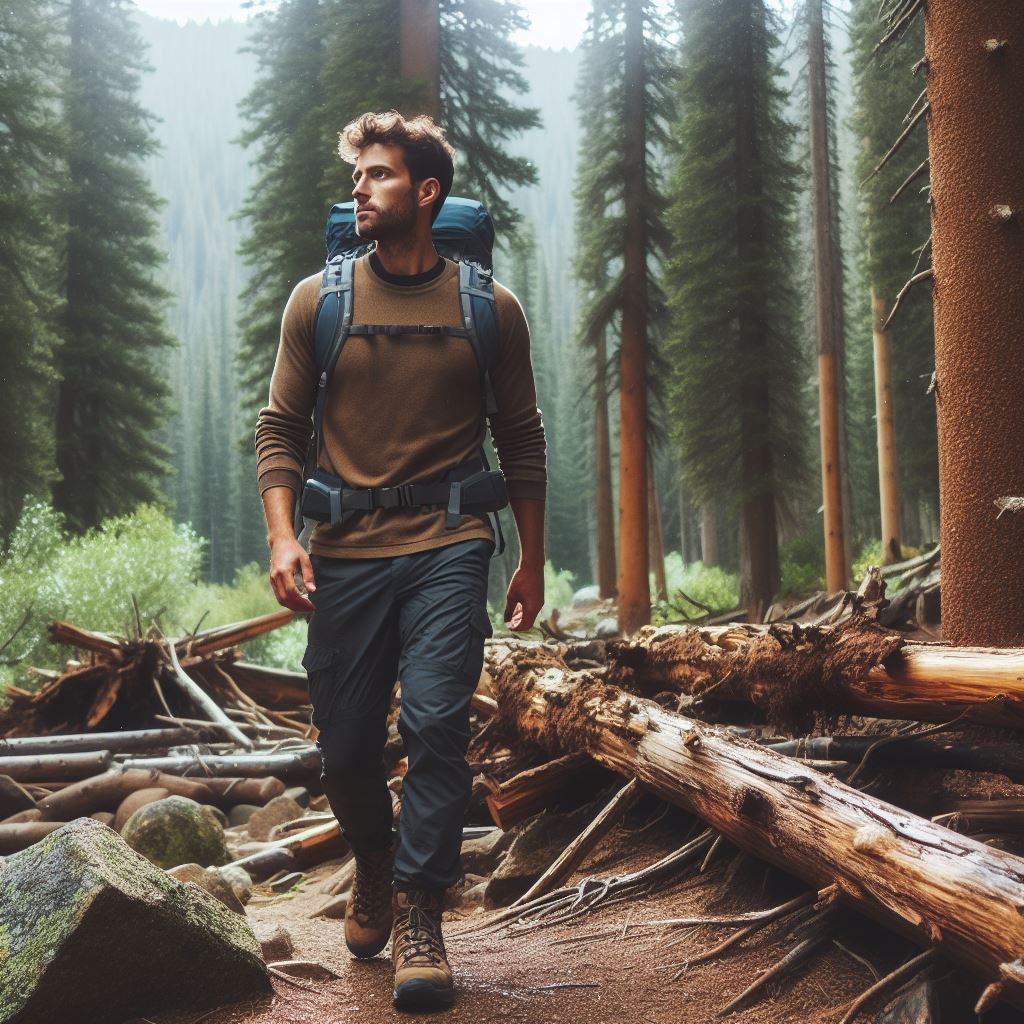
Remain vigilant and aware of your surroundings while hiking. Stay on marked trails, keep an eye on changing weather conditions, and pay attention to natural elements. Stay alert for any signs of danger or changes in the environment.
Utilize navigational aids, such as maps, GPS devices, or trail markers, to stay on course. Acquiring basic map reading and compass skills is beneficial, ensuring you can find your way even if technology fails.
Educate yourself on wildlife common to the area and appropriate responses to potential encounters. Maintain a safe distance, avoid feeding animals, and know how to react if faced with wildlife, like staying calm and slowly backing away.
Personal Safety Tips
Hydration and Nutrition: Stay well-hydrated and nourished throughout the hike. Carry an adequate supply of water and energy-rich snacks to maintain energy levels, especially on longer treks.
Weather Monitoring and Emergency Shelter: Keep an eye on weather forecasts before and during your hike. Carry appropriate clothing for changing weather conditions and an emergency shelter like a lightweight tent or emergency blanket for unexpected situations.
Basic First Aid Knowledge and Gear: Familiarize yourself with basic first aid techniques and carry a compact first aid kit. This kit should include essentials like bandages, antiseptic wipes, pain relievers, and any personal medications. Knowing how to use these items is equally important.
Recommended First Aid Kit for Hiking Solo: Mini First Aid Kit, 100 Pieces Water-Resistant Hard Shell Small Case
Emergency Protocols
Dealing with Injuries and Emergencies: Be prepared to handle injuries or emergencies. Know basic first aid, including treating cuts, sprains, or bites, and how to stabilize more severe injuries. If an accident occurs, stay calm, assess the situation, and use your emergency supplies.
Signal Devices and Communication: Carry signal devices like whistles, mirrors, or personal locator beacons. Ensure you have a charged phone or satellite communication device for emergencies. Familiarize yourself with distress signals and how to use these devices.
Knowing When to Turn Back or Seek Help: Recognize your limitations and be prepared to change plans if necessary. If conditions deteriorate, you feel unwell, or unforeseen events occur, it’s crucial to know when to turn back or seek assistance. Keeping distress flares on you is a good way to have peace of mind and seek help in the worst of times.
Mental and Emotional Preparation
Mindful Awareness and Self-Confidence: Stay present and aware of your surroundings. Confidence in your skills and preparations contributes significantly to your safety. Trust your judgment and capabilities.
Techniques for Managing Fear or Anxiety: Prepare mentally for the challenges of hiking alone. Learn relaxation techniques, meditation, or mindfulness exercises to manage stress, anxiety, or any feelings of unease that may arise.
Enjoying the Solitude and Adventure: Embrace the unique experience of solo hiking. Relish the solitude, the sounds of nature, and the thrill of adventure. It’s an opportunity for self-reflection and personal growth in addition to physical exercise.
These safety tips for hiking alone are enough to keep anyone save. Never take on an adventure you’re not prepared for, so travel with proper gear, and seriously, make sure you have a solid understanding of the terrain you’re about to tackle.