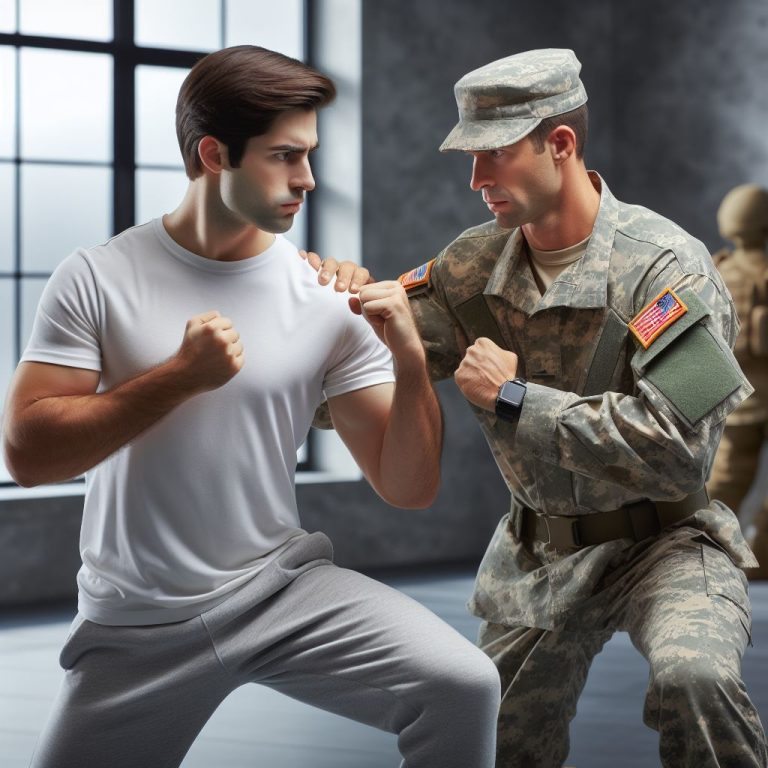

In a world that constantly demands adaptability and resilience, individuals with disabilities often find themselves faced with unique challenges, especially when it comes to personal safety. The need for self-defense strategies tailored to accommodate different abilities is paramount. This article explores essential self-defense strategies for people with disabilities, emphasizing the importance of empowerment and safety.
Understanding the Unique Challenges

People with disabilities may encounter specific obstacles that necessitate a customized approach to self-defense. Mobility limitations, sensory impairments, and communication barriers can pose challenges in traditional self-defense techniques.
Recognizing and addressing these hurdles is crucial to developing effective strategies that ensure the safety and well-being of individuals with disabilities. It’s also a great idea to set up your own DIY self-defense gym at home, specifically catered to you and your needs.
Adaptive Martial Arts
One of the most empowering self-defense strategies for people with disabilities is adaptive martial arts. These specialized programs modify traditional techniques to accommodate different abilities, providing individuals with practical and effective self-defense skills.
From wheelchair-based martial arts to techniques designed for those with limited mobility, adaptive martial arts empower individuals to defend themselves confidently.
Assistive Devices and Technologies
Leveraging assistive devices and technologies can significantly enhance self-defense capabilities. For instance, individuals with visual impairments can benefit from smartphone apps that provide real-time audio cues about their surroundings.
Wearable devices equipped with panic buttons or alarms can offer a quick and discreet way to call for help in emergency situations. Integrating technology into self-defense strategies ensures a more comprehensive approach that caters to the diverse needs of people with disabilities.
Situational Awareness Training
Developing situational awareness is a fundamental aspect of self-defense for everyone, but it becomes especially crucial for those with disabilities. Training individuals to recognize potential threats, assess their surroundings, and respond appropriately is a key component of enhancing personal safety. Workshops and simulations can help people with disabilities develop the skills needed to navigate various scenarios confidently.
Communication Strategies
Clear and effective communication is vital for self-defense, and for people with disabilities, it may require specific adaptations. Learning assertive communication techniques and using alternative communication methods can be integral in de-escalating situations and seeking assistance.
Community-based workshops that focus on communication strategies for people with disabilities can foster a sense of empowerment and self-confidence.
Inclusive Community Programs
Creating inclusive self-defense programs within the community is essential for fostering a sense of belonging and support. Local organizations, martial arts schools, and community centers can collaborate to offer tailored self-defense classes that accommodate diverse abilities.
Inclusive programs not only provide valuable skills but also contribute to breaking down societal barriers and promoting understanding and acceptance.
Conclusion
Empowering individuals with disabilities through effective self-defense strategies is a shared responsibility that involves adapting traditional techniques, incorporating technology, and fostering inclusive communities.
Through education, awareness, and collaboration, we can ensure that self-defense is accessible to all, promoting a world where everyone can navigate their lives with confidence and security.