
Imagine having a security guard tucked away in your pocket, ready to sound the alarm at a moment’s notice—this is the power of personal alarms. In a world where personal safety is paramount, these pocket-sized guardians stand as stalwart protectors, emitting a piercing sound that demands attention and deters threats.
“The Power of Personal Alarms: How to Stay Safe with Sound” is your guide to these discreet yet potent safety devices. From unraveling their workings to unveiling their effectiveness, this comprehensive exploration delves into the world of personal alarms. Whether you’re a college student walking home late at night, a city dweller navigating bustling streets, or a solo traveler exploring new horizons, personal alarms can be your steadfast companion.
In this article, we uncover the mechanics behind these alarm systems, dissect their various features, and outline scenarios where they serve as invaluable tools for enhancing personal safety. So, if you’re curious about their workings, pondering if they’re right for you, or seeking guidance on choosing the best, let’s embark on this journey together—a journey that equips you with sound solutions for staying safe in an unpredictable world.
Most Effective Personal Alarms
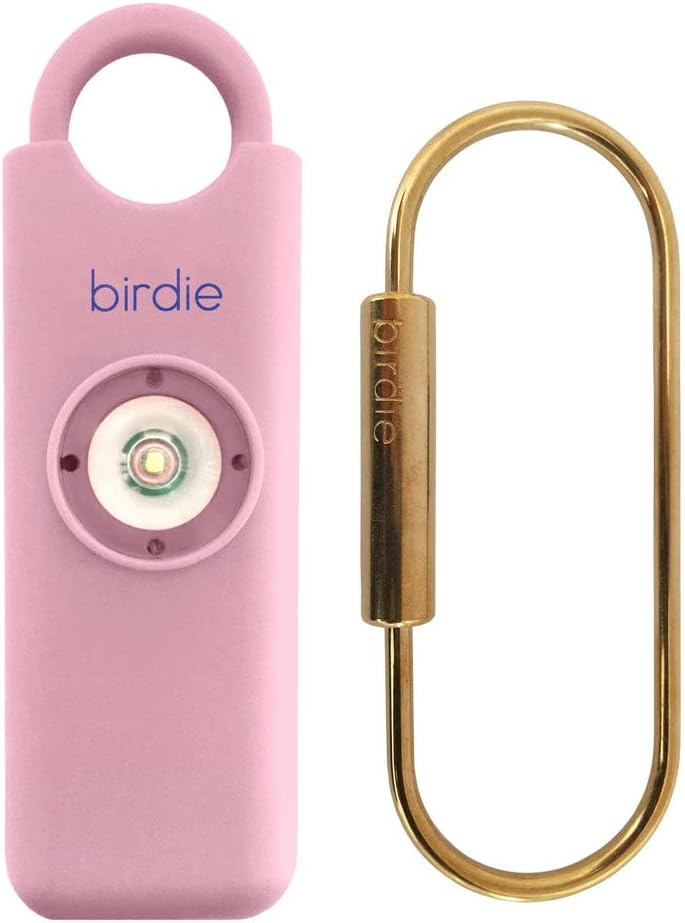
She’s Birdie–The Original Personal Safety Alarm
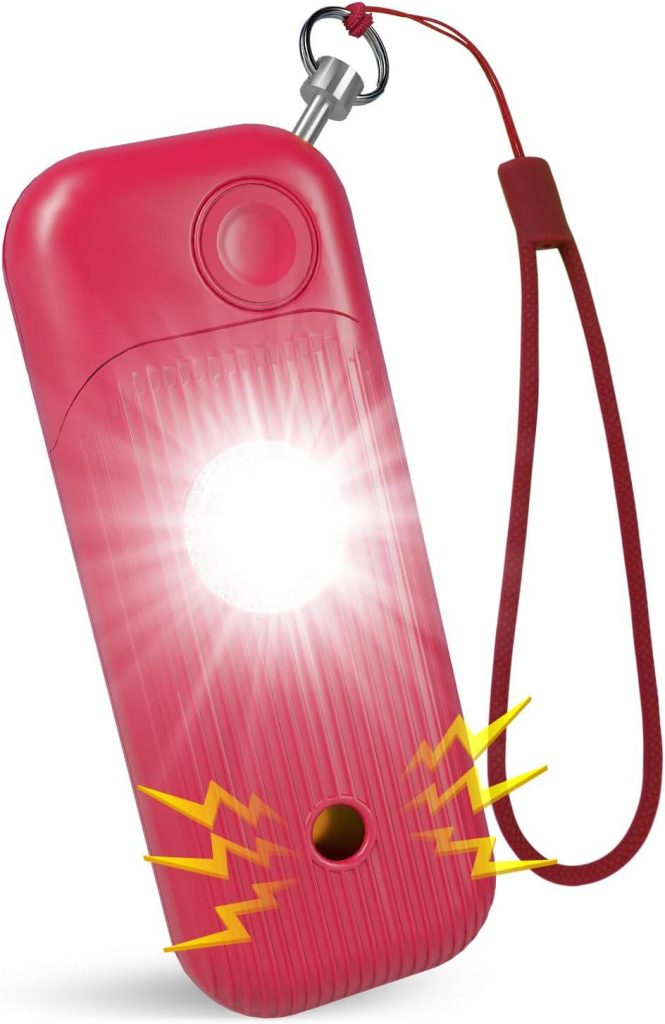
Dyoac Personal Safety Alarm
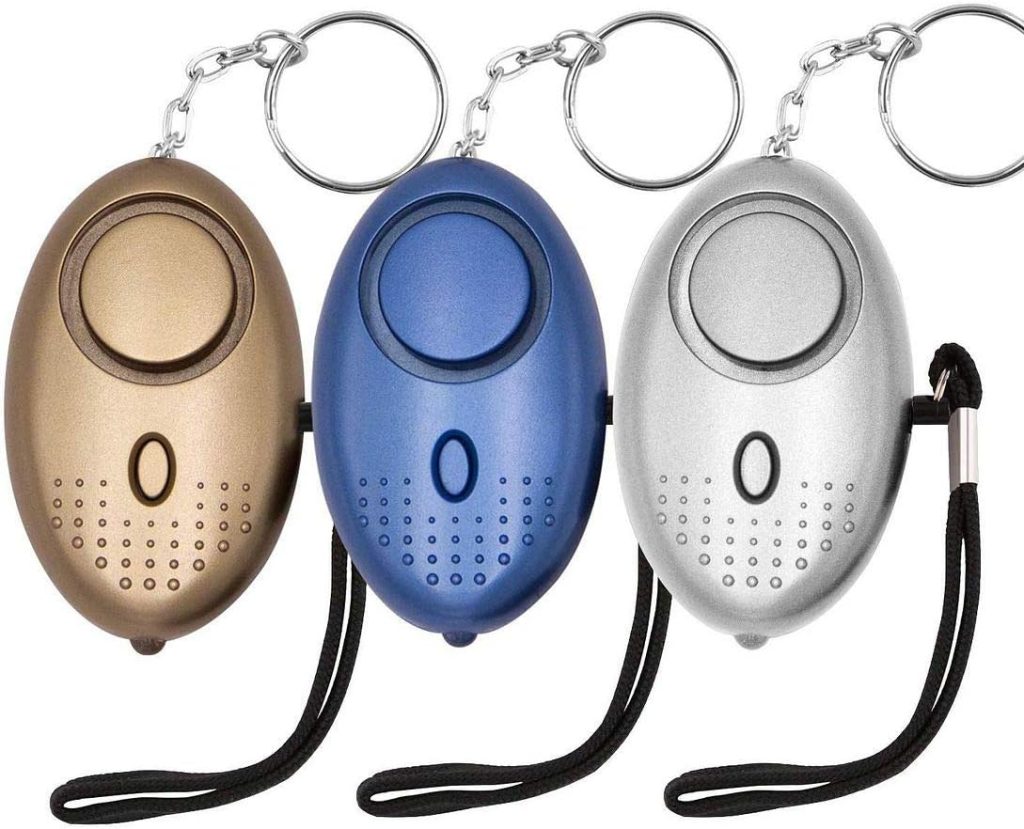
KOSIN Safe Sound Personal Alarm, 3 Pack
145DB Personal Security Alarm

Understanding Personal Alarms: How They Work and Key Features
1. Activation Mechanism
Personal alarms are designed for swift activation in emergencies. Most models feature a simple push-button or pull-pin mechanism. When triggered, they emit a high-decibel alarm, usually around 120 decibels or more—loud enough to attract attention and deter potential threats.
2. Sound Emission
The sound emitted by personal alarms is intentionally ear-piercing. It’s akin to the noise level of a jet engine taking off, intended not just to alert those nearby but to startle and disorient potential attackers. This attention-grabbing noise can draw bystanders and elicit help in critical situations.
3. Portability and Design
These alarms come in various sizes and designs, often resembling keychains, small devices, or accessories like bracelets or pendants. Their compactness ensures easy carriage, fitting snugly in pockets, bags, or attached to clothing for quick accessibility.
4. Battery Life and Durability
Most of these alarms on the market are battery-operated and boast a decent battery life. They’re designed to withstand everyday wear and tear, ensuring reliability when needed. Look for alarms with long-lasting batteries or rechargeable options for sustainability.
5. Additional Features
Some advanced models offer extra functionalities like built-in LED lights for added visibility in dark situations, while others may incorporate safety features like a built-in whistle or a flashlight, enhancing their utility in diverse scenarios.
6. Activation Modes and Disabling
Certain alarms come with additional safety measures, including multiple activation modes or a pin mechanism to prevent accidental activation. Understanding how to activate, deactivate, and carry the alarm securely is crucial for effective use.
These portable alarms are engineered to provide a quick, attention-grabbing response in times of distress. Their simplicity, portability, and high-decibel output make them a valuable addition to personal safety arsenals, catering to various user needs and environments.
FAQ
Personal alarms typically emit sound levels around 120 decibels. This intensity is crucial as it’s loud enough to startle and disorient attackers while drawing immediate attention from bystanders in emergency situations.
Yes, they are often reusable. Battery life varies but commonly lasts several months to a year based on usage. Rechargeable models are also available for sustainable use.
Some alarms feature safety mechanisms like pin activation or dual-step processes to prevent accidental triggering. Familiarize yourself with the specific activation methods and secure the alarm to minimize accidental activation.
Yes, they come in various sizes and designs suitable for different age groups. Child-friendly designs with smaller sizes and easy activation methods are available, as well as alarms catering to seniors’ needs.
Personal alarms are a valuable addition to self-defense but serve a different purpose. They act as an alert system to draw attention and deter threats, complementing other self-defense tools rather than replacing them.