In an age where our digital footprints are more significant than ever, safeguarding our online privacy has become a pressing concern for families. Virtual Private Networks (VPNs) have emerged as powerful tools to fortify the security of our online activities. In this guide, we’ll demystify VPNs, exploring what they are, how they work, and when and why you should consider using one to protect your family’s privacy in the digital realm.
Understanding VPNs: A Digital Shield for Your Family
A VPN, or Virtual Private Network, is a technology that establishes a secure and encrypted connection over the internet, creating a private network even when you’re using a public one. Think of it as a protective shield that envelops your online data, making it invisible to potential prying eyes.
Recommended VPN: NordVPN (1-Year VPN & Cybersecurity Software Subscription For 6 Devices)
How VPNs Work: The Digital Tunnels Explained
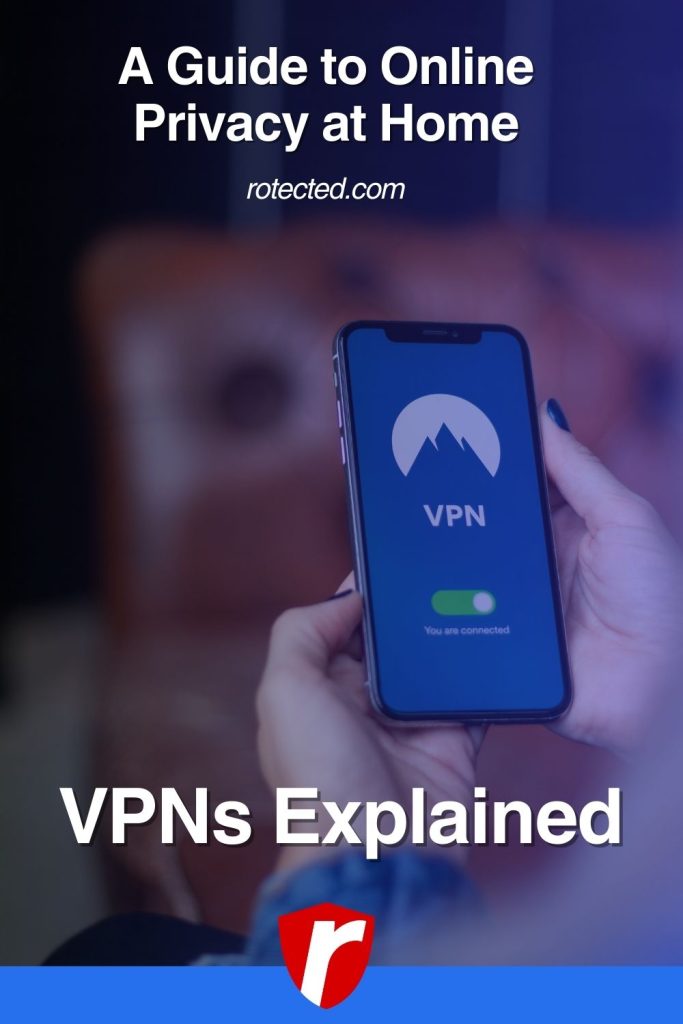
At its core, a VPN works by creating a secure tunnel between your device and the internet. When you connect to the internet through a VPN, your data travels through this encrypted tunnel, safeguarding it from hackers, cybercriminals, or any entities attempting to monitor your online activities.
When you access a website or use an application, the VPN encrypts your data, making it unreadable to anyone trying to intercept it. Additionally, your IP address, a unique identifier for your internet connection, is masked by the VPN server’s IP address, enhancing your anonymity and privacy online.
When to Use a VPN: Safeguarding Your Family’s Privacy
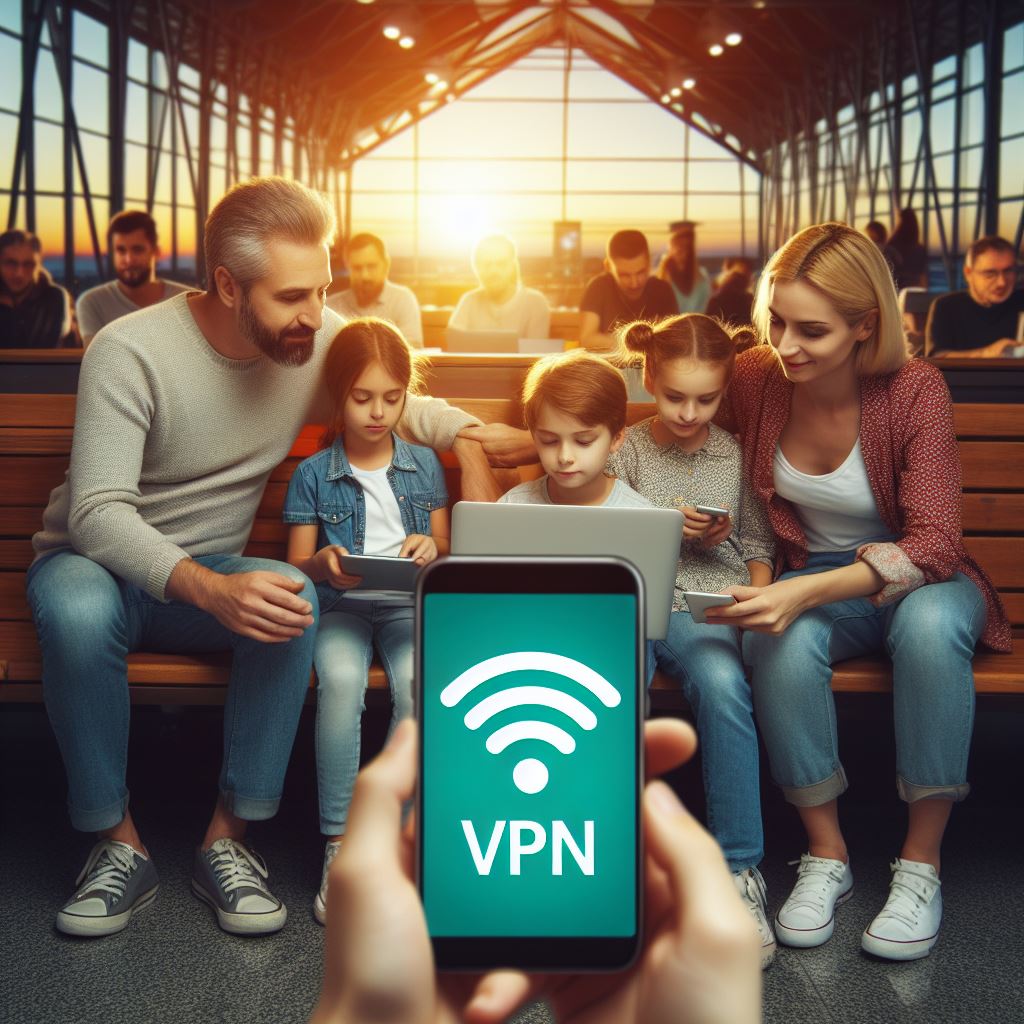
- Public Wi-Fi Hotspots: Public Wi-Fi networks, commonly found in coffee shops, airports, or hotels, are notorious for their vulnerability to cyber threats. Using a VPN when connected to public Wi-Fi ensures that your family’s sensitive information, such as passwords and personal details, remains shielded from potential attacks.
- Online Shopping and Banking: Shopping or banking online involves transmitting sensitive financial information. A VPN adds an extra layer of security, preventing potential hackers from intercepting your data and protecting your family’s financial privacy.
- Protecting Against ISP Tracking: Internet Service Providers (ISPs) can track your online activities, potentially compromising your family’s privacy. By using a VPN, you create a barrier that shields your browsing history and online behavior from your ISP.
- Accessing Geo-Restricted Content: VPNs can help your family access content that might be restricted based on geographical location. Whether it’s streaming services, news websites, or online platforms, a VPN allows you to navigate the digital world without limitations.
- Remote Work or Learning: With an increasing number of families engaging in remote work or virtual learning, securing online connections has become crucial. A VPN ensures that sensitive work or study-related data remains private and protected from potential threats.
- Enhancing Online Privacy: In a landscape where data is often commodified, using a VPN becomes a proactive step in reclaiming control over your family’s online privacy. It prevents websites and online services from tracking your online behavior, providing a more private and secure digital experience.
Choosing a VPN Service: What to Look For
When selecting a VPN service for your family, consider factors such as encryption strength, server locations, ease of use, and a no-logs policy. Opt for a reputable VPN provider that prioritizes user privacy and offers user-friendly applications across various devices.
Final Thoughts
A VPN serves as a crucial tool in securing your family’s online privacy. By understanding what a VPN is, how it works, and when to use one, you empower your family to navigate the digital landscape with confidence. Incorporating a VPN into your online routine ensures that your family’s data remains confidential, fostering a safer and more secure digital environment for all.