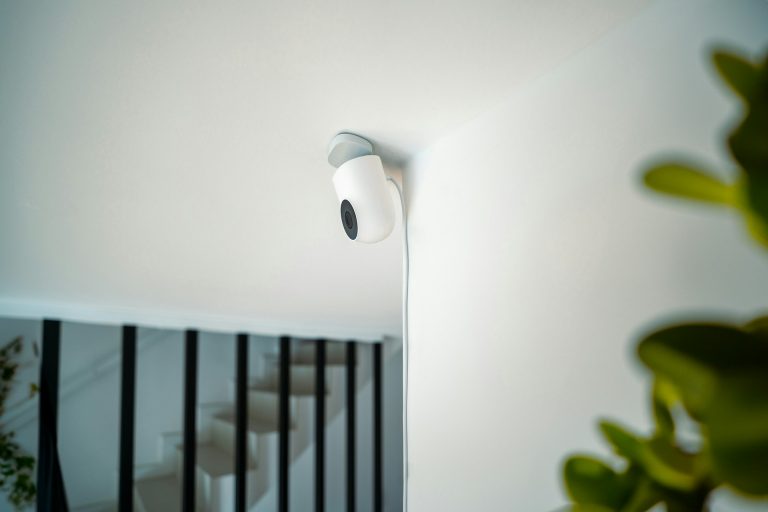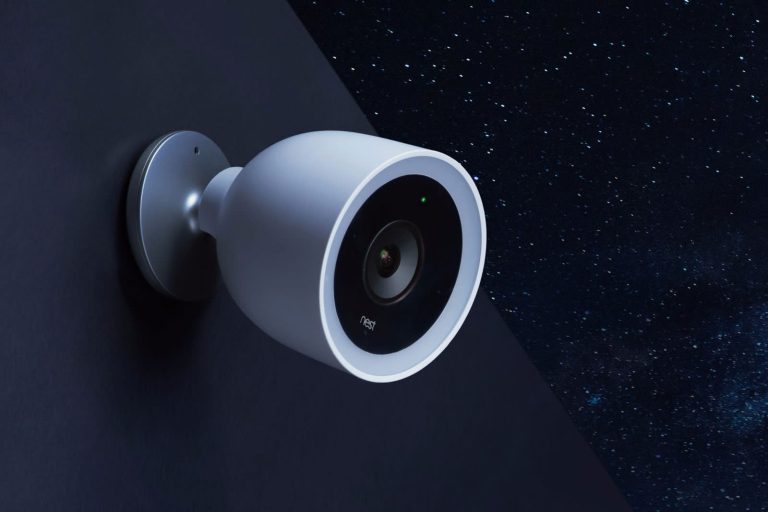

Trying to choose between Blink and Ring? Both security camera brands are owned by Amazon, and both are great options. We’re going to outline the main differences so you can make an informed decision and go with the one best for you and your needs.
To keep it super simple and get straight to the point – Blink is the more affordable solution. If money is the ultimate factor for you, then stick with Blink and upgrade later. Ring has a bigger selection of products and features, including a monitoring service to ensure your home is always secure.
Now, if price isn’t your main concern, then continue reading for a full breakdown of each feature to see which camera system is right for you. However, if you just want to know which camera system is best, here’s the short answer: Ring.

Storage Wars – Local vs. Cloud-Based
Blink offers local video storage using the Blink Sync Module 2 and a USB flash drive, allowing you to avoid ongoing cloud storage costs.
Ring relies primarily on cloud-based video storage, requiring a subscription plan for extended storage and access to recorded footage.
Subscription Plans
Blink’s subscription plan is more straightforward and generally more affordable, offering enhanced features like extended video storage without the need for professional monitoring.
Ring’s subscription plans provide comprehensive options, including 24/7 professional monitoring, video history, and additional smart home integrations, but at a higher cost.
Product Selection
Blink focuses primarily on security cameras and does not offer as diverse a product range. It features the essentials, keeping things simple.
Ring boasts a more extensive product lineup, including security cameras, video doorbells, smart lighting, and a full home security system
Power Sources
Blink primarily offers battery-powered cameras, making them more versatile for locations without power outlets. Be prepared to replace batteries.
Ring offers a broader selection of cameras with wired power sources, providing continuous power without the need for frequent battery replacement.
Comparing the Cameras: Blink vs. Ring Cams
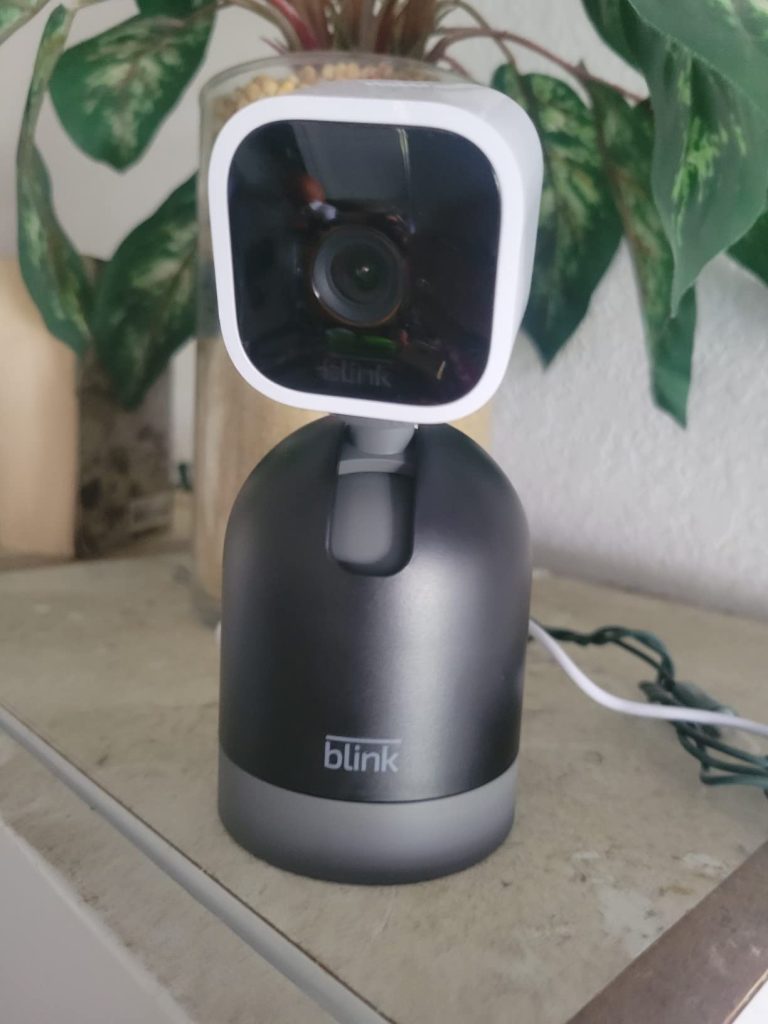
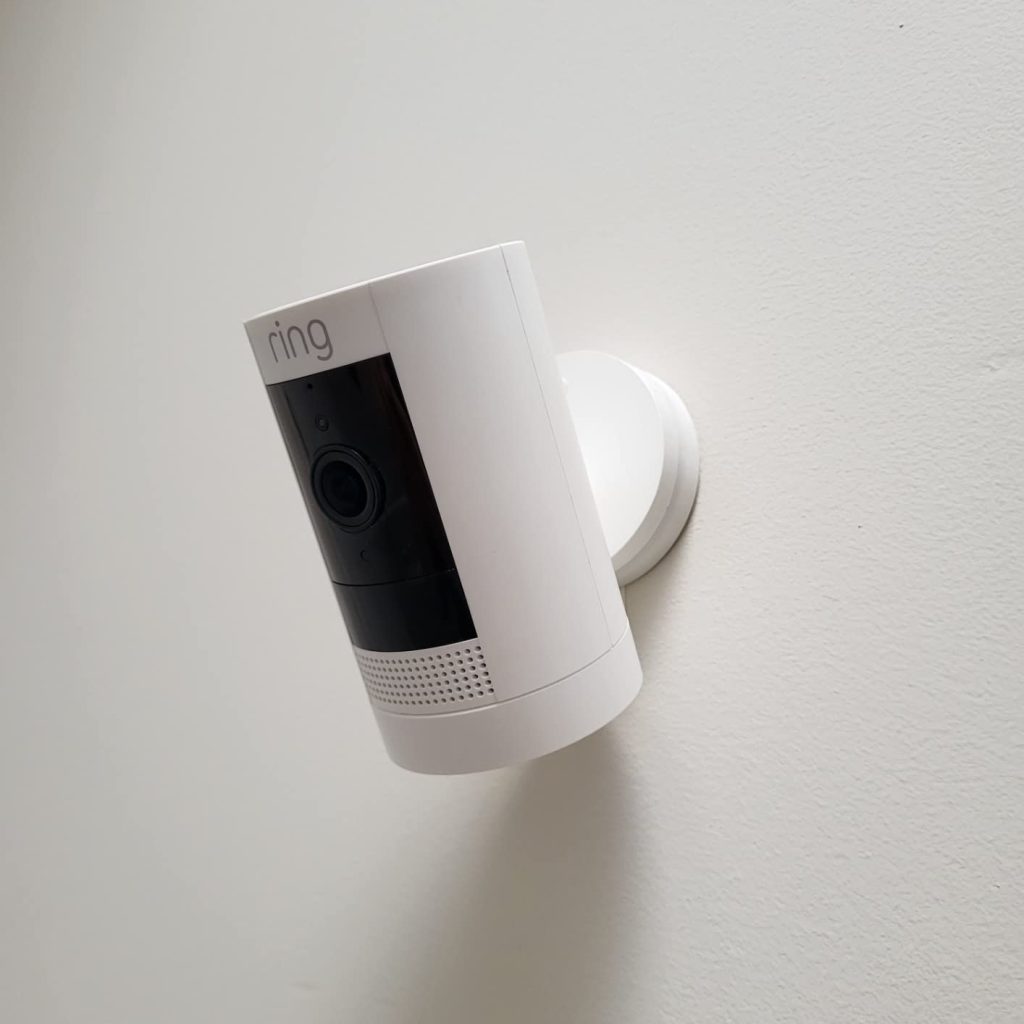
Let’s talk about the main product here – the cameras. Ring has a bigger selection of cameras, but they both have decent options. However, when browsing reviews and feedback from users on Reddit, it’s clear that Ring is superior on many fronts.
Both offer a wide selection of indoor and outdoor cameras. Blink might be the lower-budget option, but they still offer a high-quality flood light camera and doorbell.
Camera Resolution and FOV
Blink and Ring cameras both record in 1080p HD, so resolution is not a big issue here. The main difference is in the field of view, as Ring cameras generally have a much wider field of view than Blink cameras.
If you need to cover a larger area, go with Ring.
Night Vision
Blink suffers when it comes to night vision. Users complain about Blink cameras not capturing anything at night due to the lack of night vision. This can be a deal breaker for those who want to watch their home during the night. After all, that’s usually when you’re concerned about an intruder.
Ring shines when it comes to night vision and users rave about the video quality being crystal clear at night. If night vision is a concern, then go with the Ring camera system.
Professional Monitoring
Ring offers 24/7 professional monitoring for its security system, while Blink does not have a professional monitoring option.
Similarities Between Blink and Ring…
In terms of similarities, both Blink and Ring offer user-friendly mobile apps, similar paid features, straightforward installation processes, and smart home integration primarily with Amazon Alexa.
Blink vs. Ring – Who Wins?
Ultimately, the choice between Blink and Ring home security systems comes down to your specific needs and priorities.
Blink offers a more affordable and straightforward solution with local storage options, while Ring provides a more comprehensive ecosystem with 24/7 professional monitoring, a wider range of products, and enhanced features. Enhanced features come at a higher cost.
Looking for more low-cost options? We have a guide to setting up a DIY home security system without a monthly subscription!