

Car safety kits are invaluable assets for any vehicle owner, offering peace of mind and essential supplies in case of emergencies or unexpected situations on the road. From basic roadside assistance to medical emergencies, having a well-equipped car safety kit can make all the difference in ensuring the safety and well-being of passengers and drivers alike.
In this article, we’ll delve into the importance of car safety kits, essential items to include, and practical tips for creating and maintaining a comprehensive kit for every journey.
Importance of Car Safety Kits
Car safety kits serve as a proactive measure to address common emergencies and unforeseen circumstances encountered while driving. Whether facing mechanical breakdowns, adverse weather conditions, or medical emergencies, having the necessary supplies readily available can help drivers respond effectively and ensure the safety of themselves and their passengers.
Essential Items for Car Safety Kits
First Aid Supplies: Include a well-stocked first aid kit containing bandages, antiseptic wipes, gauze pads, adhesive tape, scissors, tweezers, pain relievers, and any necessary medications for managing minor injuries or medical conditions.
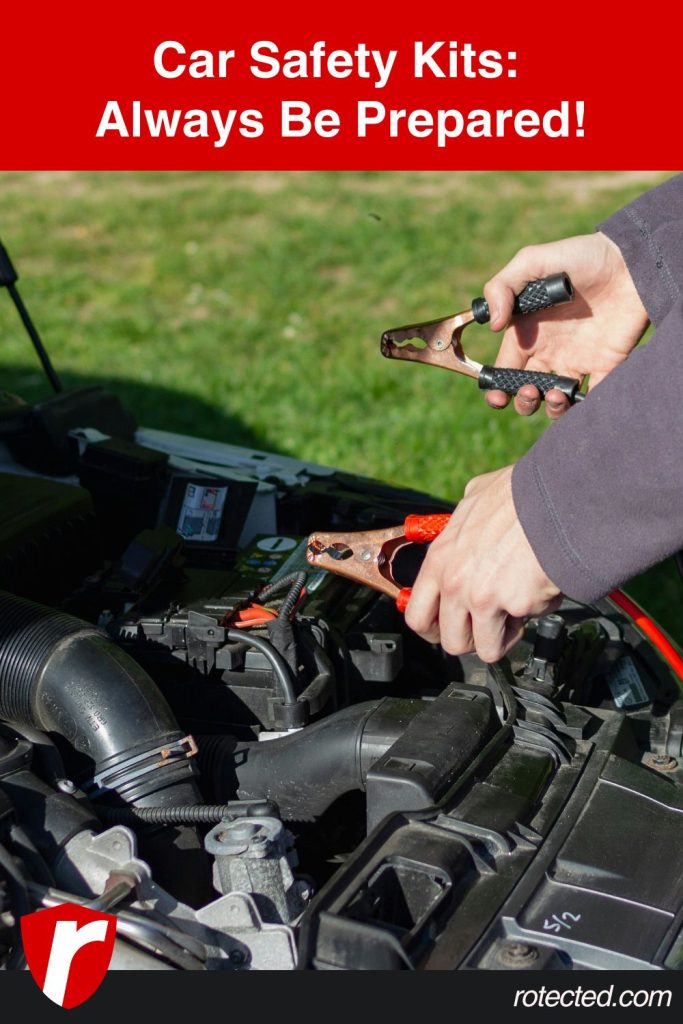
Emergency Tools: Pack essential tools such as a flashlight with extra batteries, a multi-tool or Swiss army knife, duct tape, jumper cables, a tire pressure gauge, and a tire repair kit to address mechanical issues and perform basic vehicle maintenance.
Emergency Signaling Devices: Include emergency signaling devices such as reflective triangles, road flares, or a reflective safety vest to alert other drivers and emergency responders in case of roadside emergencies or breakdowns.
Food and Water: Pack non-perishable food items such as energy bars, nuts, or dried fruits, along with bottled water or hydration packs to sustain passengers in case of extended delays or emergencies requiring prolonged roadside assistance.
Blankets and Warm Clothing: Include blankets, extra clothing, gloves, and hats to provide warmth and protection in cold weather conditions or during unexpected overnight stays.
Tips for Creating and Maintaining Car Safety Kits
Regular Inspection: Routinely inspect and restock your car safety kit to ensure that all items are up-to-date, in good condition, and within their expiration dates. Replace any expired or depleted supplies promptly.
Customization: Tailor your car safety kit to suit your specific needs and driving habits. Consider factors such as climate, terrain, and the number of passengers when selecting items for your kit.
Accessibility: Store your car safety kit in an easily accessible location within the vehicle, such as the trunk or under a seat, to ensure quick and convenient access in case of emergencies.
Education and Training: Equip yourself and other drivers in your household with the knowledge and skills necessary to use the items in the car safety kit effectively. Consider taking first aid and CPR courses to enhance your preparedness for medical emergencies.
Emergency Contacts: Keep a list of emergency contacts, including roadside assistance services, towing companies, insurance providers, and local emergency services, in your car safety kit for quick reference during emergencies.
Conclusion
Car safety kits are indispensable resources for ensuring preparedness and safety on the road. By including essential items such as first aid supplies, emergency tools, and provisions, drivers can respond effectively to various emergencies and unforeseen circumstances encountered while driving. By following practical tips for creating and maintaining a comprehensive car safety kit, vehicle owners can enhance their readiness for every journey and ensure the safety and well-being of themselves and their passengers.