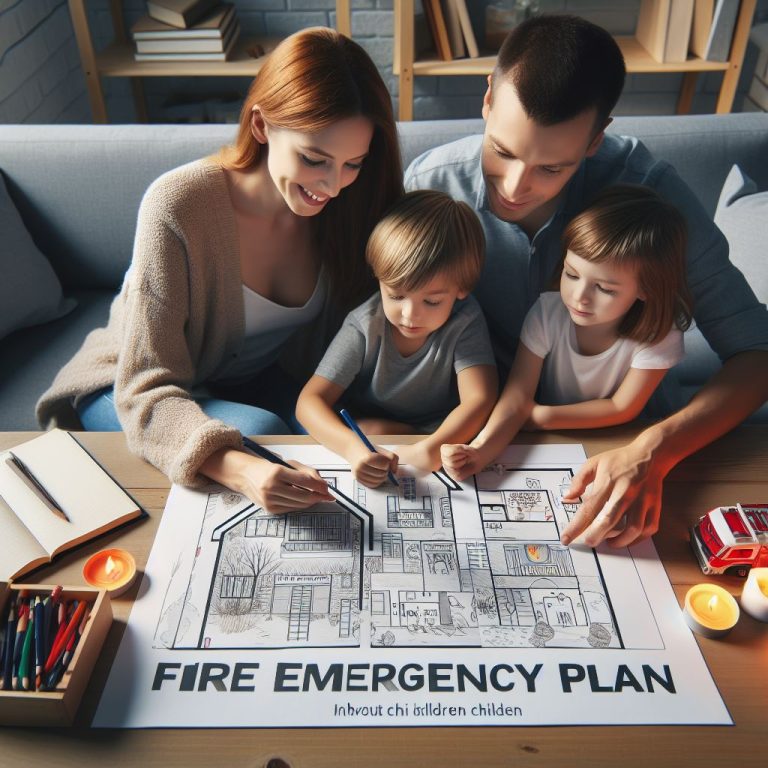

In the realm of fire safety, it’s crucial to consider the unique challenges faced by individuals with disabilities. When it comes to emergencies, swift and safe evacuation is essential for everyone, but for those with disabilities, navigating this process can be particularly challenging.
This article delves into the specific needs of people with disabilities during fire emergencies, offering practical tips on creating accessible escape plans, leveraging assistive devices, and highlighting the importance of Elevator & Emergency Keys for independent evacuation.
Addressing Accessibility in Escape Plans
One of the primary hurdles for individuals with disabilities during a fire emergency is the lack of inclusivity in conventional escape plans. Standard routes may not account for mobility aids or adaptive equipment, putting those with disabilities at a disadvantage.
Crafting escape plans tailored to accommodate diverse mobility needs is essential. This involves considering factors like doorway width, the availability of ramps or elevators, and ensuring accessible exit routes.Not everyone is able to use a fire escape ladder, so keep that in mind when planning an escape route.
Collaboration with individuals with disabilities is key to creating effective and inclusive escape plans. Identifying safe zones within buildings, equipped with proper support, and incorporating clear communication with visual and auditory cues are vital steps in ensuring the safety of everyone during an emergency.
Smoke Detectors for Hearing Impaired
A common concern for people with hearing problems is knowing when traditional smoke detectors are going off. There are a great deal of new smoke detectors on the market offering LED lighting for hearing impaired residents.
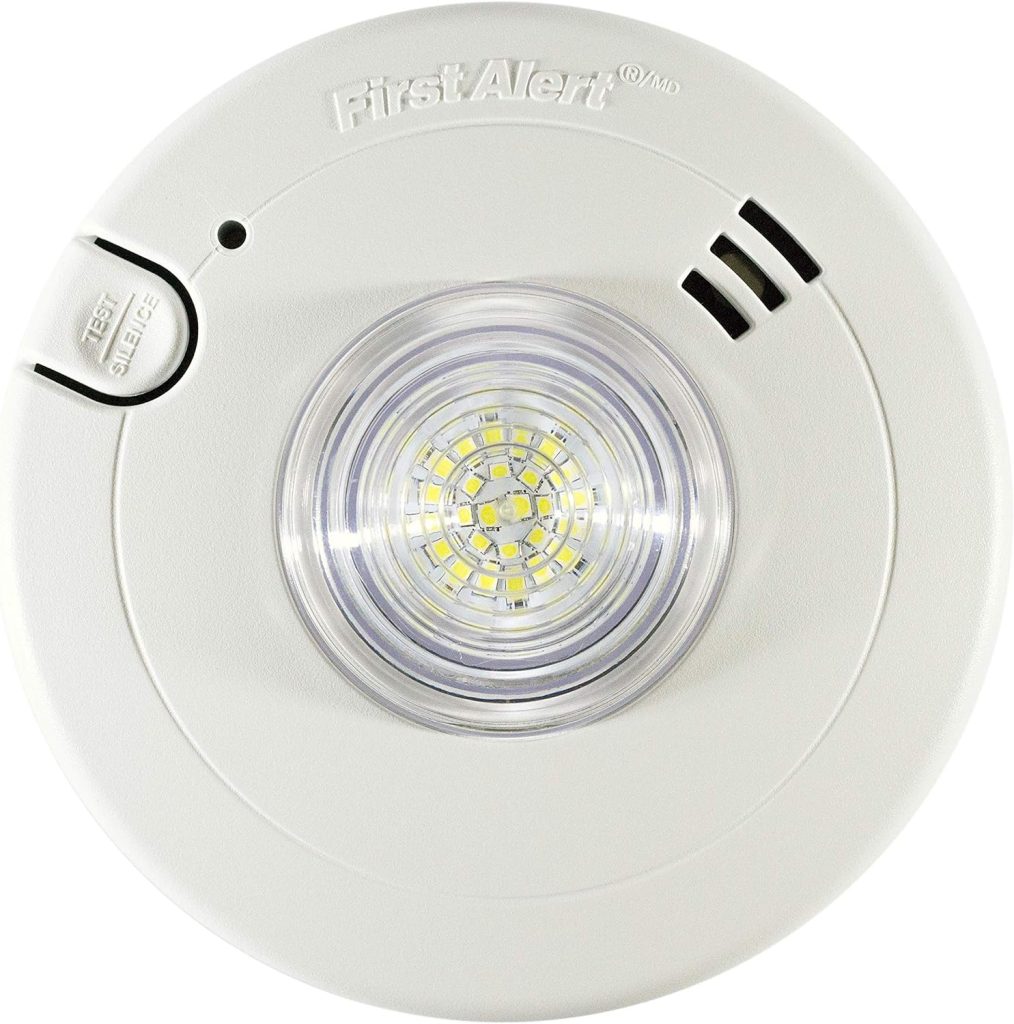
First Alert BRK 7020BSL
Smart Strobe feature, offers distinct flash patterns to differentiate between smoke and carbon monoxide alerts. This is a game-changer for the hearing impaired, providing a visual warning that is both powerful and easily discernible.
The Role of Assistive Devices
The use of assistive devices plays a pivotal role in facilitating the evacuation of individuals with disabilities. Whether it’s wheelchairs, walkers, canes, or other mobility aids, evacuation plans must factor in these tools. Buildings and public spaces need to be equipped with ramps, designated waiting areas, and evacuation assistance points to ensure a seamless evacuation process for individuals with disabilities.
Regular drills and training sessions can further familiarize both individuals and emergency responders with the use of assistive devices in evacuation scenarios.
Elevator & Emergency Keys
Elevator & Emergency Keys emerge as a lifeline for individuals with limited mobility during fire emergencies. While elevators are typically shut down to prevent entrapment during fires, these keys, often held by building staff or emergency personnel, can override the system.
Beyond providing a means of swift evacuation, these keys empower individuals with disabilities to take control of their own safety, offering a level of independence often compromised during emergencies.
For those of you who happen to have an elevator at home, you can actually buy backup elevator emergency keys online. Just be thorough when reading the specs to make sure it will work with your elevator system.
Communication Strategies
In addition to physical considerations, effective communication is a cornerstone of fire safety for people with disabilities. Emergency alerts should be accessible to individuals with visual or hearing impairments through alternative formats like braille, text messages, or visual alerts. Providing information in multiple formats ensures that everyone receives timely updates during a fire emergency.

Conclusion
Ensuring fire safety for people with disabilities requires a compassionate and inclusive approach. Accessible escape plans, consideration of assistive devices, and recognizing the importance of Elevator & Emergency Keys are critical elements in safeguarding lives during fire emergencies. By addressing these specific needs, we move towards a more compassionate and resilient approach to fire safety, one that protects and empowers every member of our community.
FAQ
Individuals with disabilities may face unique challenges during fire emergencies, such as limited mobility or reliance on assistive devices. Tailoring fire safety measures ensures inclusivity, providing everyone with the opportunity for a safe evacuation.
Collaborate with individuals with disabilities to identify their specific needs. Consider factors like doorway width, accessible exit routes, and the establishment of safe zones within buildings. Clear communication through visual and auditory cues is crucial.
Assistive devices, such as wheelchairs or walkers, are integral to evacuation plans. Buildings should be equipped with ramps, waiting areas, and evacuation assistance points to facilitate a smooth process. Regular drills help familiarize both individuals and responders with the use of these devices.
Elevator & Emergency Keys can override the system during fires, allowing swift evacuation for individuals with limited mobility. This not only provides a means of escape but empowers them to take control of their safety, promoting independence during emergencies.
Emergency alerts should be accessible in various formats, such as braille, text messages, or visual alerts. Utilizing multiple communication methods ensures that individuals with disabilities receive timely and relevant information during a fire emergency.
Businesses can start by conducting accessibility audits to identify areas that need improvement. Collaborate with individuals with disabilities to create tailored escape plans and ensure that assistive devices are accommodated in evacuation procedures.
Laws like the Americans with Disabilities Act (ADA) in the United States mandate that businesses and public spaces provide equal access to individuals with disabilities. This includes implementing measures for fire safety and emergency evacuation tailored to their specific needs.
Raising awareness within communities fosters understanding and empathy. Conducting regular drills, workshops, and sharing resources on inclusive fire safety practices can create a more supportive and prepared community for individuals with disabilities.