
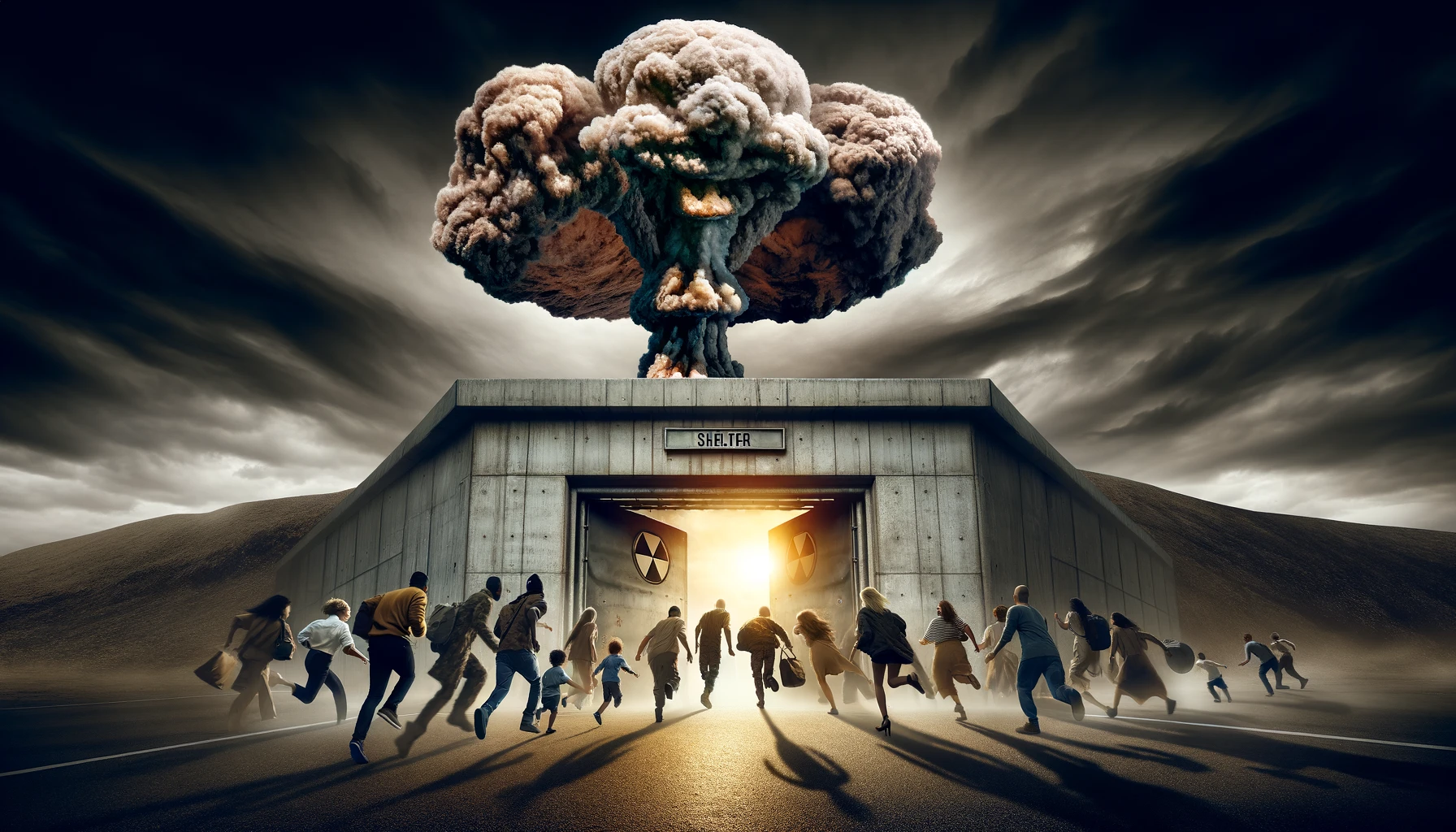
In recent times, discussions about potential global conflicts have resurfaced with a prominence not seen since the Cold War era. Tensions between nations, from Russia to the US, have become increasingly apparent, leaving many individuals feeling unsettled about the state of world affairs.
Amidst these discussions, there’s a pervasive sense of unease among Americans, with some expressing concerns about the allocation of tax dollars towards military endeavors they may not support.
However, amidst these concerns, it’s crucial to acknowledge that the majority of people, regardless of nationality, share a common desire for peace. The prospect of a nuclear war or another world conflict is universally feared, as the ramifications would be catastrophic for all involved.
It’s a sobering reminder that, despite our differences, we all inhabit the same planet and ultimately seek the same outcome: a peaceful existence.
Already have a shelter in place? Check out these 21 foods that can last decades, they’re perfect for stockpiling in your fallout shelter!
Know Your Surroundings
Start by familiarizing yourself with your local area and identifying potential fallout shelters. These shelters can include designated public shelters, government buildings, underground facilities, basements of sturdy buildings, and reinforced structures designed to withstand nuclear fallout.
Use Online Resources
Utilize online tools and resources to locate fallout shelters in your area. Websites and apps such as the Federal Emergency Management Agency (FEMA) website, local government websites, and nuclear emergency preparedness websites may provide maps, lists, or databases of nearby shelters.
Contact Local Authorities
Reach out to local emergency management agencies, fire departments, or civil defense authorities for information on fallout shelters in your community. They can provide valuable guidance and assistance in locating the nearest shelters and accessing them during emergencies.
Check Building Signs
Pay attention to signs and symbols indicating the presence of fallout shelters on buildings and public facilities. Look for shelter signs featuring the iconic black and yellow “fallout shelter” symbol or other designated markings.
Community Resources
Engage with community organizations, neighborhood associations, or local preparedness groups to gather information and resources related to fallout shelters and emergency preparedness. These groups may offer training, workshops, or outreach programs to educate residents on nuclear emergency preparedness.
Create a Plan
Develop a personal or family emergency plan that includes the location and routes to nearby fallout shelters. Identify multiple shelter options in different locations to ensure flexibility and adaptability in case of emergencies.
Practice Drills
Conduct regular drills and exercises to familiarize yourself with the process of finding and accessing fallout shelters. Practice evacuation routes, shelter entry procedures, and emergency communication protocols to ensure readiness in high-stress situations.
Stay Informed
Stay informed about nuclear threats, warnings, and emergency alerts from reliable sources such as government agencies, news outlets, and official emergency communication channels. Sign up for emergency notification systems and alerts to receive timely information and instructions during emergencies.
Final Thoughts
By following these steps and being proactive in your approach to nuclear emergency preparedness, you can increase your chances of finding the nearest fallout shelter quickly and efficiently. Remember, preparedness is key to surviving and mitigating the impact of nuclear emergencies, so take the time to educate yourself and take necessary precautions for your safety and well-being.