
The specter of a third world war has loomed large in the public consciousness, fueled by ongoing geopolitical tensions and the memory of the devastation wrought by the two previous global conflicts. However, a closer examination of the current global landscape suggests that a full-blown World War 3 scenario may not be as inevitable as some fear.
Assessing the Conditions for a “World War”
Experts in the field of geopolitics explain that for a conflict to be considered a true “World War”, it would require major global powers like the United States and China to be engaged in a large-scale military confrontation spanning multiple regions. This level of interconnected, global-scale conflict is not what we are currently witnessing in the world today.
Isolated Tensions, Not a Global Powder Keg
While regional tensions and isolated conflicts do exist, such as the ongoing situation in Ukraine, these appear to be separate issues rather than part of a broader, interconnected global powder keg.
China is certainly a rising power and potential rival to the U.S., but its military capabilities are still not considered on par with the former Soviet Union. The future development of China’s economy and military remains to be seen.
Preventing Escalation is Key
The experts do acknowledge that there are valid concerns about the potential for these regional conflicts to escalate. Vigilance is required to prevent these tensions from spiraling out of control and drawing in more global players. However, based on the current information available, a full-blown World War 3 scenario does not appear to be inevitable in the immediate future.
What Are The Main Factors That Could Lead to a World War?
The key factors that could potentially lead to a new world war include:
Geopolitical Tensions Between Major Powers
The relationship between global superpowers like the United States and China is seen as a critical factor. If tensions between these rivals escalate into a large-scale military confrontation, it could spark a broader global conflict. Regional disputes, such as the situation in Ukraine, could also potentially draw in more global players.
Alliances and the Breakdown of the Global Balance of Power
The complex web of alliances between nations, similar to the situation prior to World War I, could draw more countries into a conflict as allies support each other. A perceived breakdown in the global balance of power, with the rise of new powers challenging the existing order, is also cited as a long-term factor.
Nationalism, Militarism, and the “Cult of the Offensive”
Factors like the growth of nationalism, military buildup, and a belief in the inevitability of war were present before World War I and could resurface today, contributing to the outbreak of a new global conflict.
Miscalculation, Misperception, and the Speed of Escalation
Misunderstandings, delays in communication, and the rapid escalation of crises played a role in the outbreak of World War I. A similar dynamic of miscalculation and the inability to stop a crisis from spiraling could potentially lead to a new world war.
Many Experts Believe WW3 Is Possible
Even though many “experts” believe WW3 is not likely to occur (hopefully they’re right) – there are still some who believe it’s very likely to happen. Many believe it’s inevitable. Some believe it has already begun.
The video below features a detailed discussion of the on-going conflicts in the world. Andrew Bustamante covers the subject in detail, and his thoughts on the conflicts are very insightful. Who is Andrew Bustamante? An ex-CIA agent who’s been all over the world on missions.
CIA Spy: “This Could Spark WW3 In 2024”- China’s Takeover & Iran-Israel-Palestine
How to Survive World War 3: Essential Preparation Tips
In the event of a potential World War 3, there are several key steps you can take to prepare and increase your chances of survival.
Assemble an Emergency Supply Kit
The first and most crucial step is to assemble a well-stocked emergency supply kit with essential items:
- Non-perishable food and clean water – Aim for at least a 2-week supply
- Battery-powered radio, flashlights, and extra batteries
- First aid kit and necessary medications
- Cash in small denominations
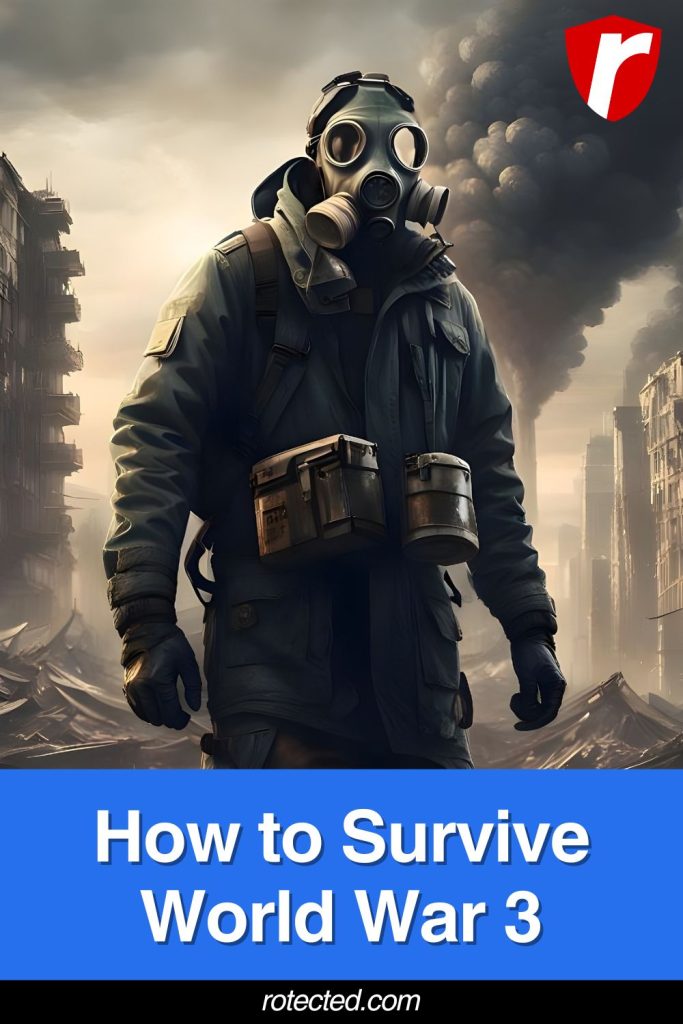
- Protective gear like gas masks and iodine tablets
Identify a Safe Shelter Location
Locating a suitable shelter is critical for protection against radioactive fallout and other threats. Try to identify designated fallout shelters in your community. If none are available, look for a sturdy building with as much concrete and brick between you and the outside as possible. Going underground as far as you can will provide the best shielding.
Prepare a Family Emergency Plan
Establish a clear plan to contact and reunite with family members if you get separated during an emergency. Decide on a safe meeting place where you can all regroup. Practice your emergency plan regularly.
Improve Physical Fitness
Being in good physical shape can greatly improve your ability to evade threats and reach safety. Aim to be able to run 3 miles in 18 minutes or less. Cardiovascular endurance and overall fitness will be crucial.
Consider Relocation
Certain countries like Argentina, Australia, and Central African nations may be safer places to live in the aftermath of a nuclear attack. However, the feasibility of relocating would depend on individual circumstances.
The key is to have a comprehensive emergency plan, stockpile essential supplies, and be physically prepared to respond quickly in the event of a crisis. With the right preparation, your chances of surviving World War 3 can be significantly increased.