
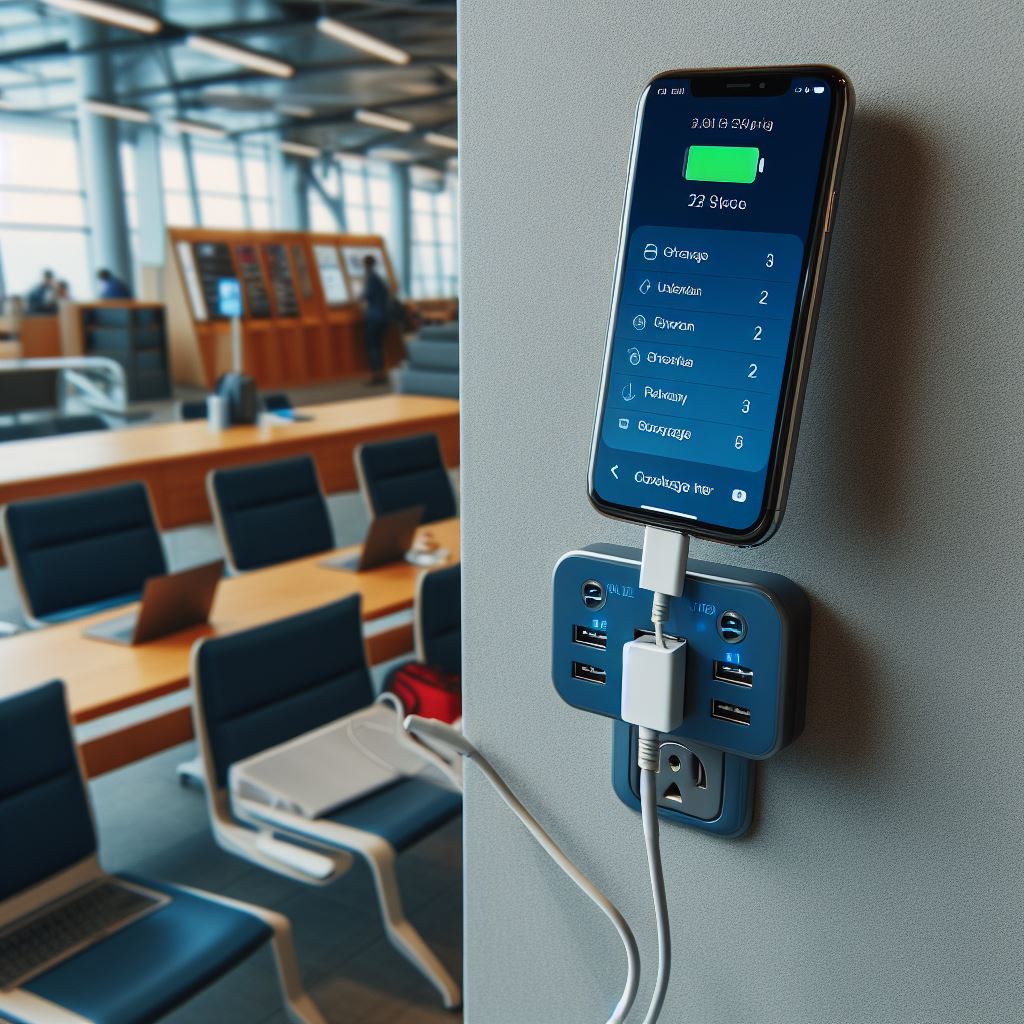
In an era where digital security is paramount, USB data blockers have emerged as a crucial tool for safeguarding sensitive information and protecting devices from potential threats.
But what exactly are USB data blockers, and why are they essential in today’s cybersecurity landscape? In this article, we’ll explore the concept of USB data blockers, their functionality, and everything you need to know about using them to bolster your cybersecurity defenses.
What are USB Data Blockers?
USB data blockers, also known as USB condom or USB port blockers, are small devices designed to prevent data transfer when connecting a USB device to a computer or charging port.

They achieve this by physically blocking the data pins within the USB port while allowing power pins to remain connected, thus enabling safe charging without the risk of data exchange.
So while you may use a VPN to protect your digital footprint, a USB data blocker is going to physically protect the device.
How Do They Work?
USB data blockers operate by interrupting the data transfer process while maintaining the electrical connection necessary for charging. When plugged into a USB port, the data blocker blocks the data pins within the port, effectively preventing any data communication between the connected device and the host computer or charging outlet. This ensures that no unauthorized data exchange or malware transmission occurs during charging, safeguarding the device and the user’s data from potential cyber threats.
Benefits of USB Data Blockers
Protection Against Juice Jacking: USB data blockers provide protection against a cyber threat known as “juice jacking,” where cybercriminals use compromised USB charging ports to steal data or install malware onto connected devices.
Secure Charging in Public Places: When charging devices in public places such as airports, cafes, or public charging stations, USB data blockers offer peace of mind by eliminating the risk of data theft or hacking attempts through compromised charging ports.
Compatibility and Convenience: USB data blockers are compatible with a wide range of devices, including smartphones, tablets, laptops, and other USB-powered devices. They are lightweight, portable, and easy to use, making them a convenient solution for enhancing cybersecurity on the go.
Considerations
Quality and Reliability: When selecting a USB data blocker, opt for reputable brands known for their quality and reliability. Ensure that the blocker effectively blocks data transfer while maintaining seamless charging functionality.
Usage in High-Risk Environments: USB data blockers are particularly beneficial in high-risk environments where the security of public charging ports may be compromised. Always use a data blocker when charging devices in unfamiliar or potentially vulnerable locations.
Education and Awareness: Educate yourself and others about the risks associated with unsecured USB charging ports and the importance of using USB data blockers as a preventive measure against cyber threats. Stay informed about emerging cybersecurity trends and best practices for protecting personal and sensitive information.
Conclusion
USB data blockers play a crucial role in enhancing cybersecurity and protecting devices from potential data theft or malware attacks during charging. By effectively blocking data transfer while allowing safe charging, USB data blockers offer a simple yet powerful solution for mitigating the risks associated with unsecured USB charging ports.
Incorporating USB data blockers into your cybersecurity arsenal can help safeguard your devices and personal information, providing peace of mind whether you’re charging your device at home or on the go.